Okada Marshall House
by D’Arcy Jones Architects
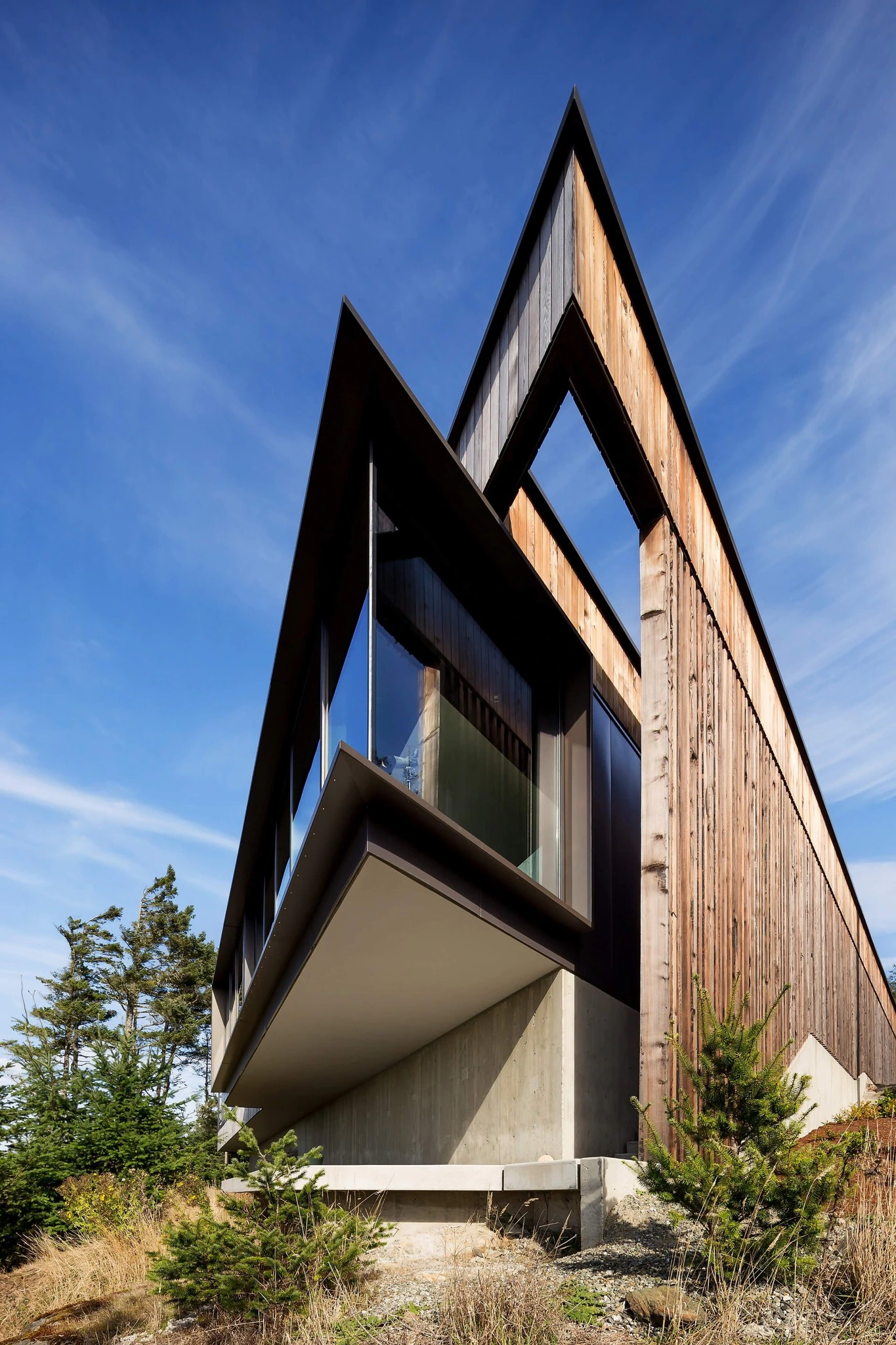
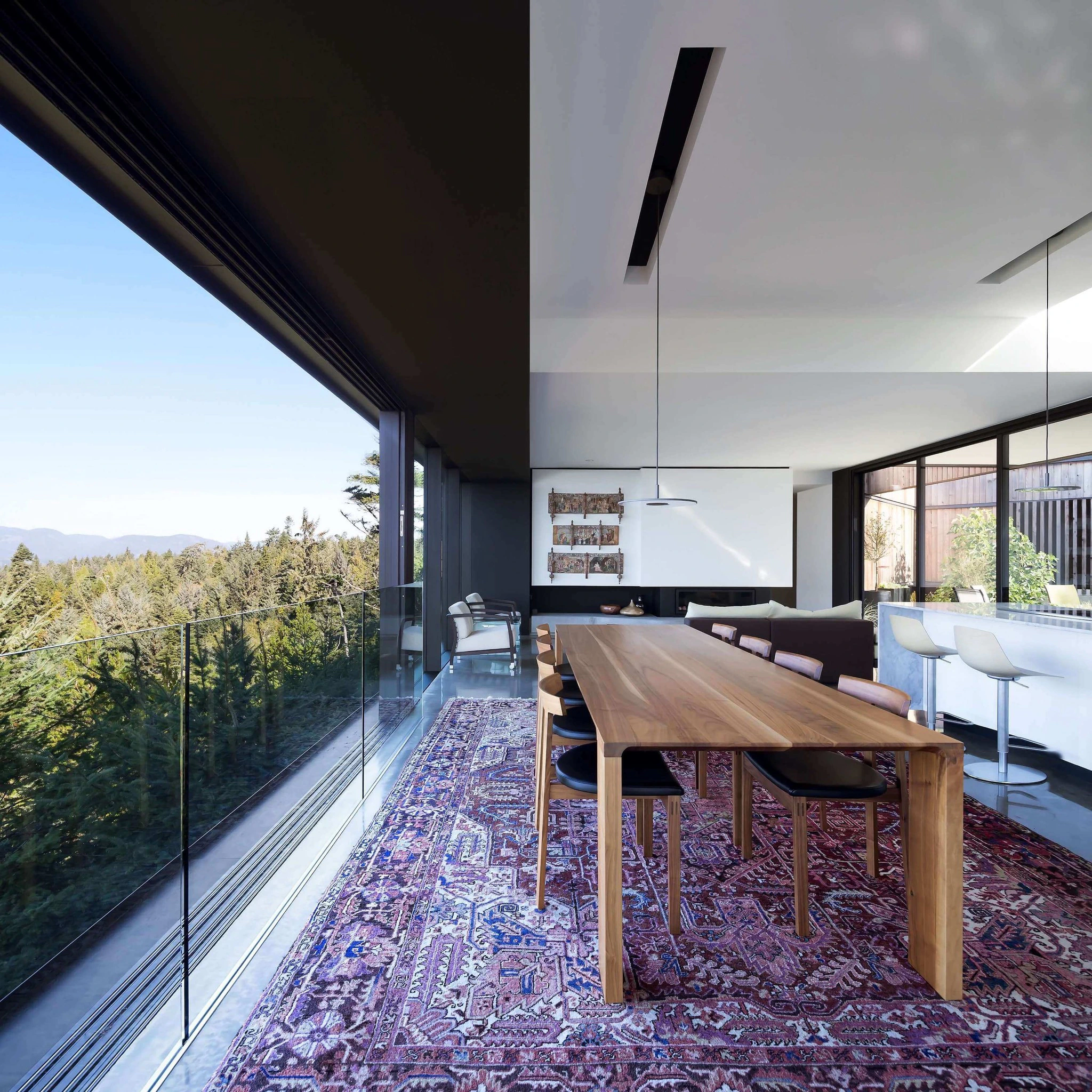
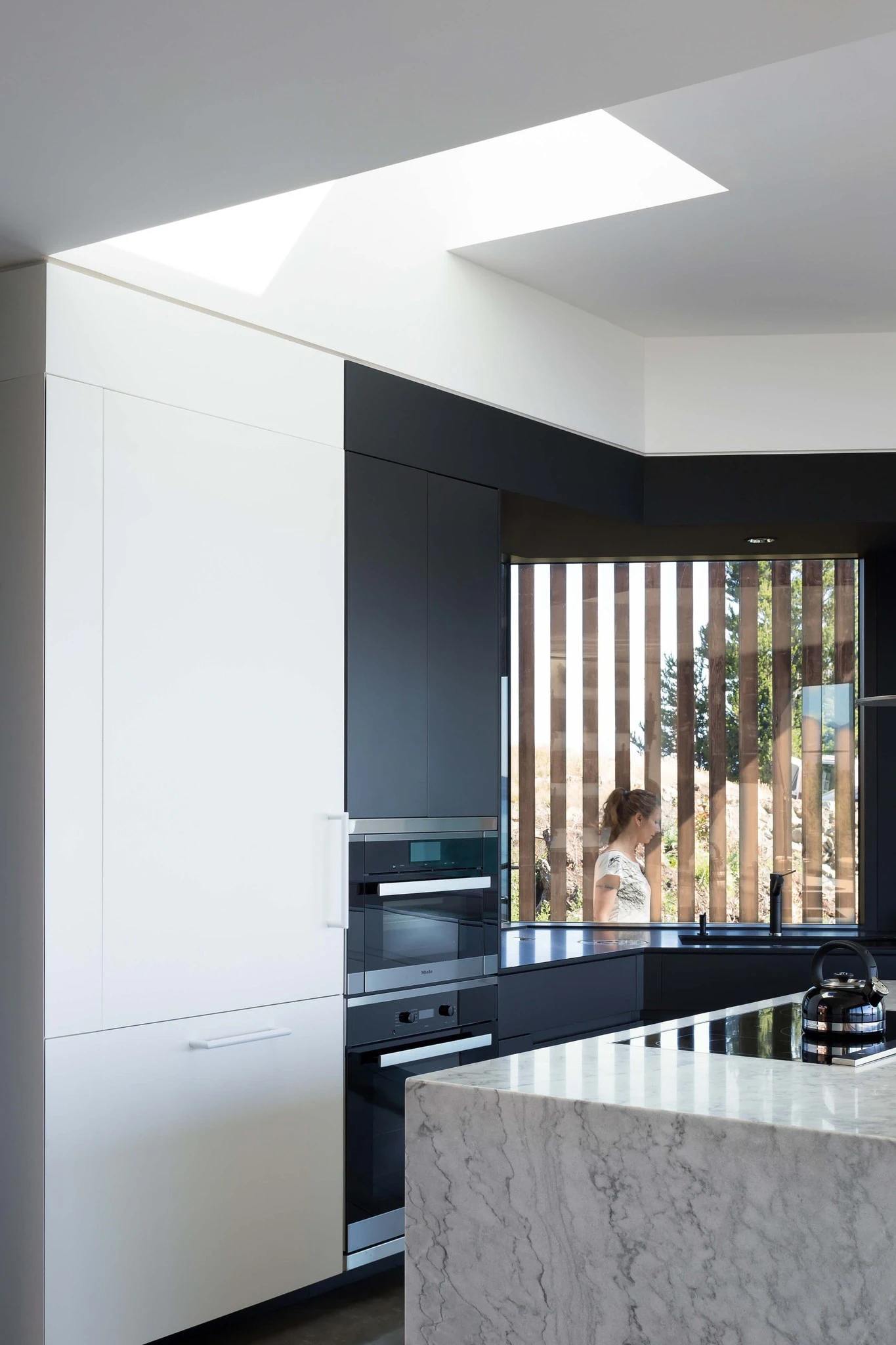
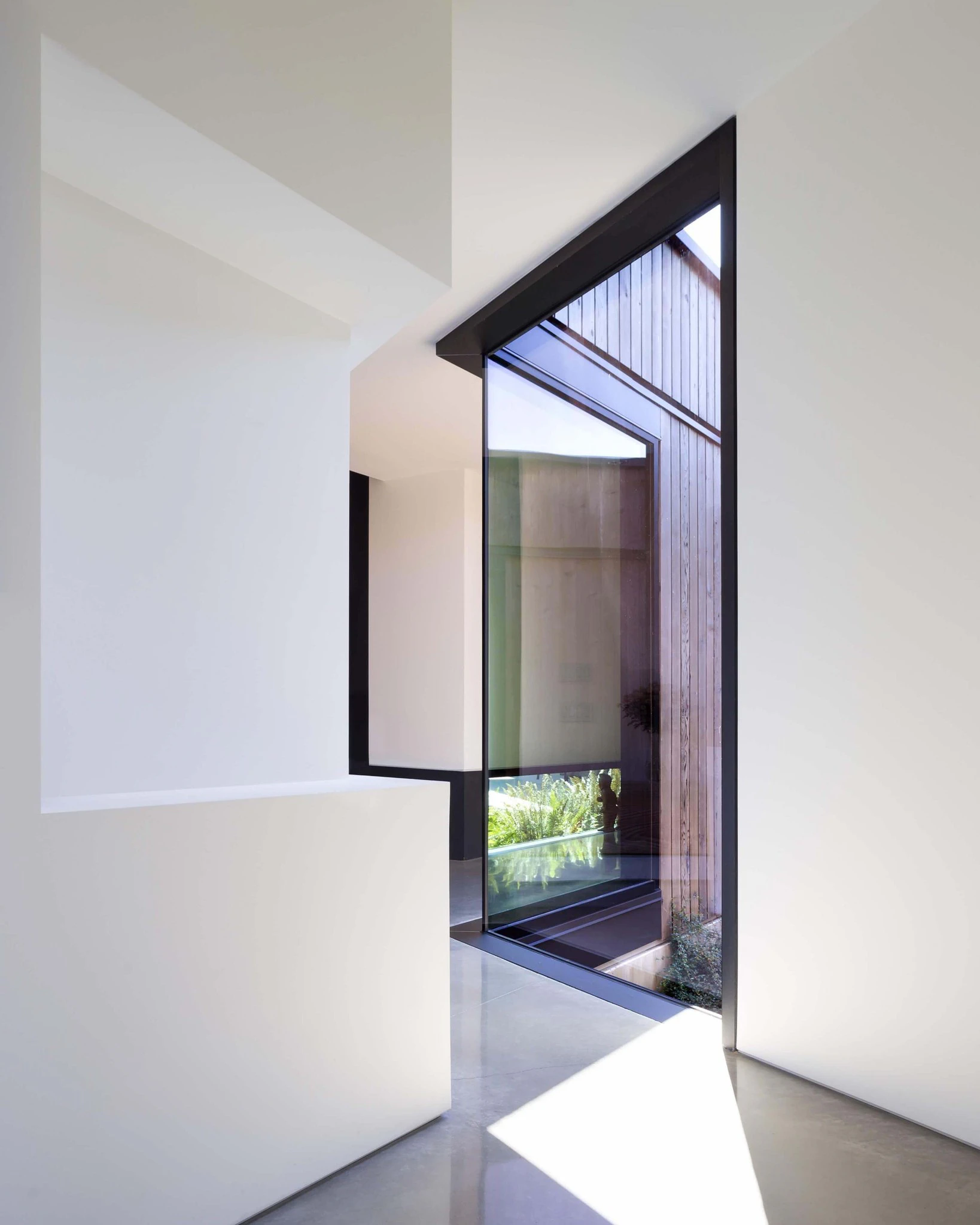
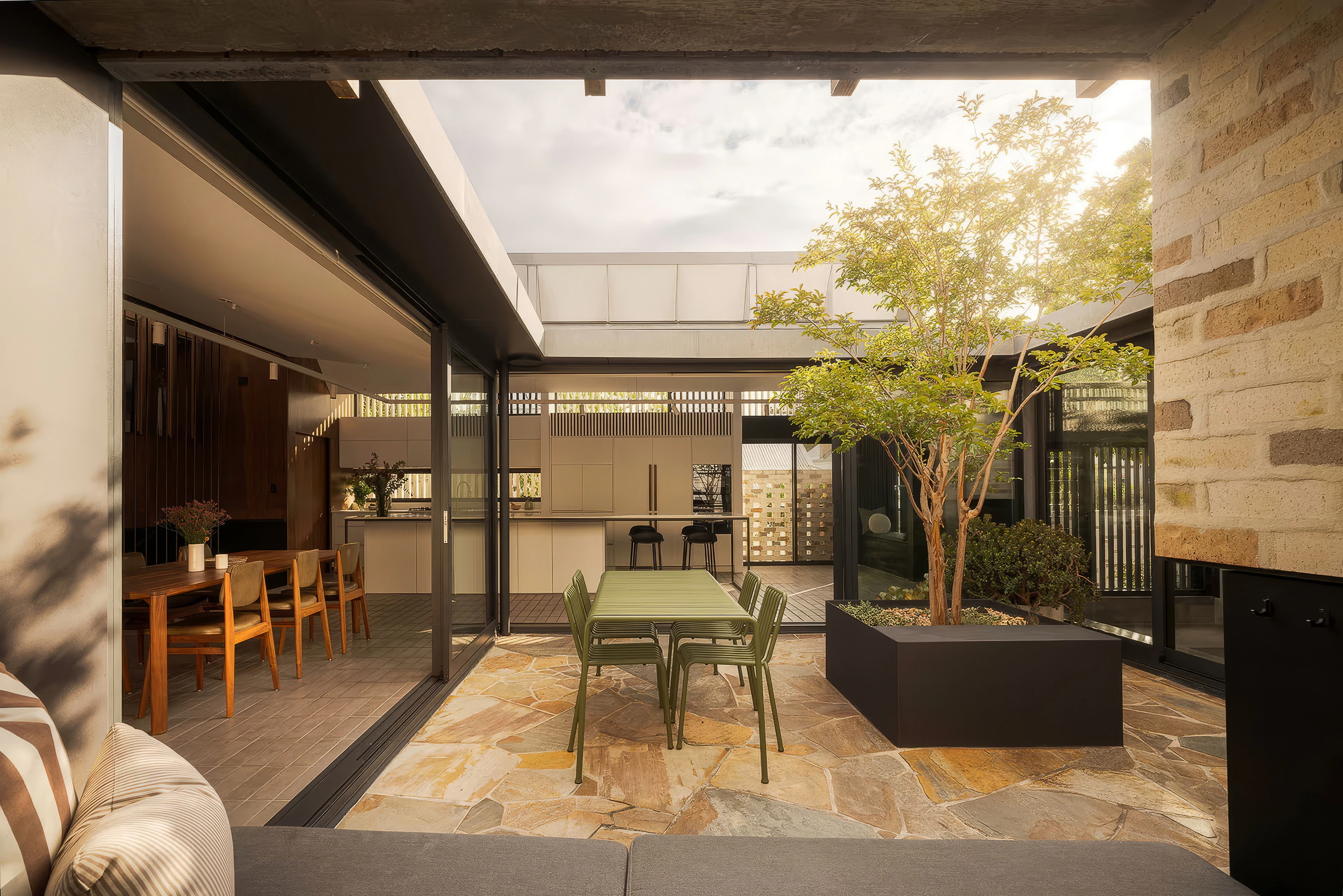
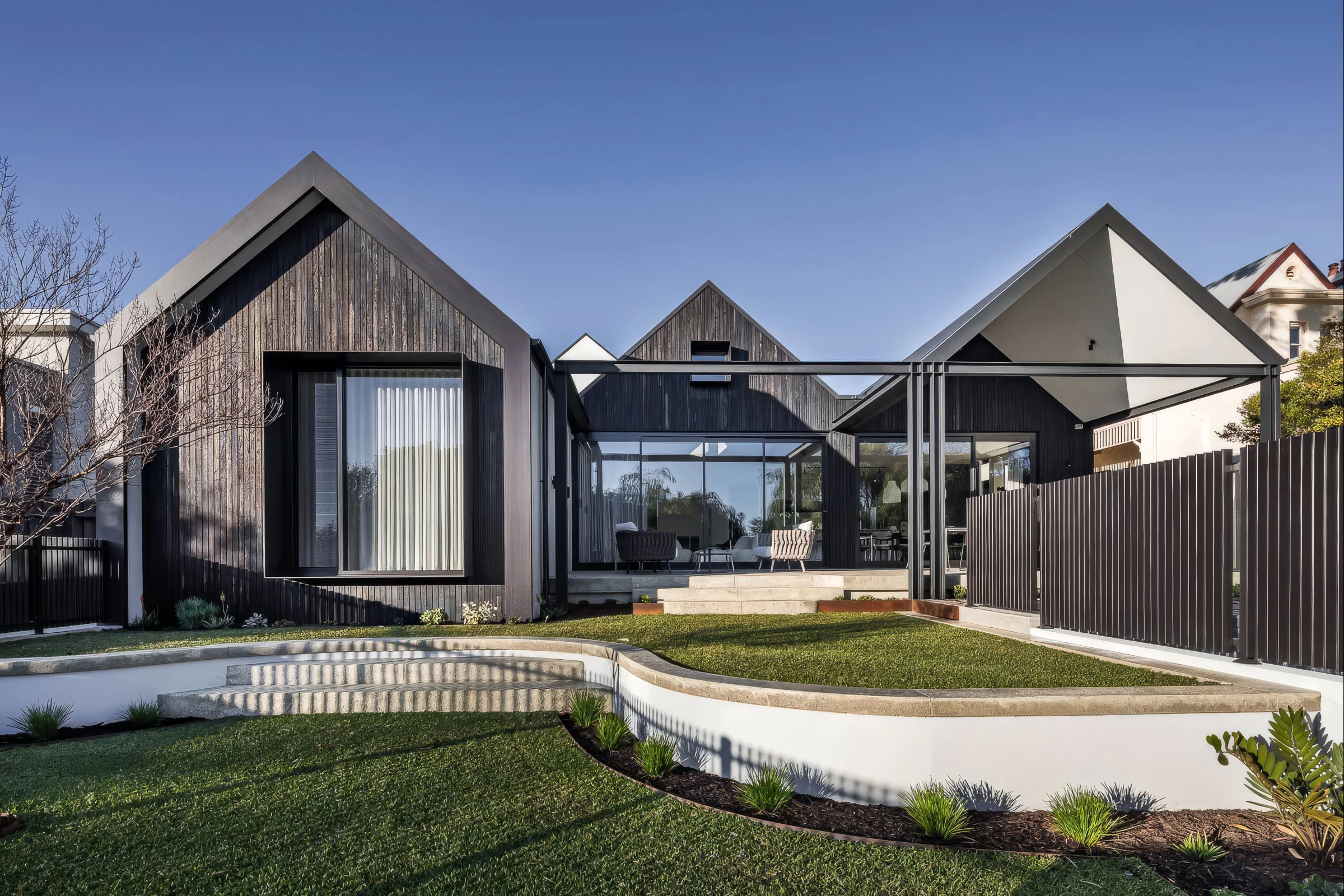
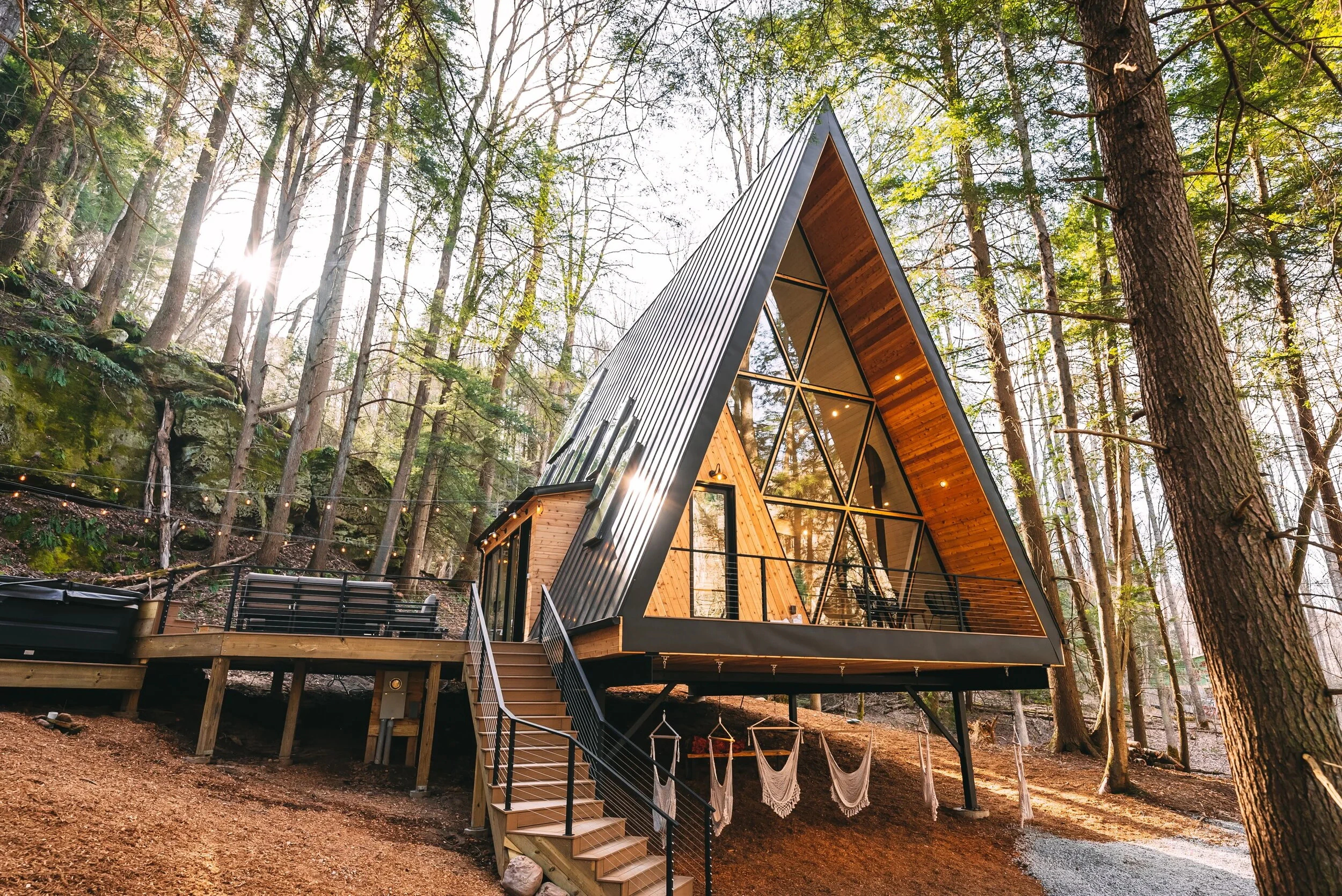
Across the views, the eye keeps returning to timber: long runs of vertical boards and battens wrap the low, stretched form, shifting from solid cladding to fine, slatted screens. In the approach, that lining reads almost like another stand of trunks—dark, closely spaced and irregular in tone—so the house’s edges blur against the surrounding trees. In the courtyard, the same timber becomes a porous boundary, letting foliage and sky leak through. The entry is threaded between timber planes and planting, with the cladding pulled close enough to feel like undergrowth rather than façade. Where the building reaches outward with a crisp glass corner, the timber remains the dominant field, a textured veil that softens the hard geometry and keeps the landscape visually in charge.
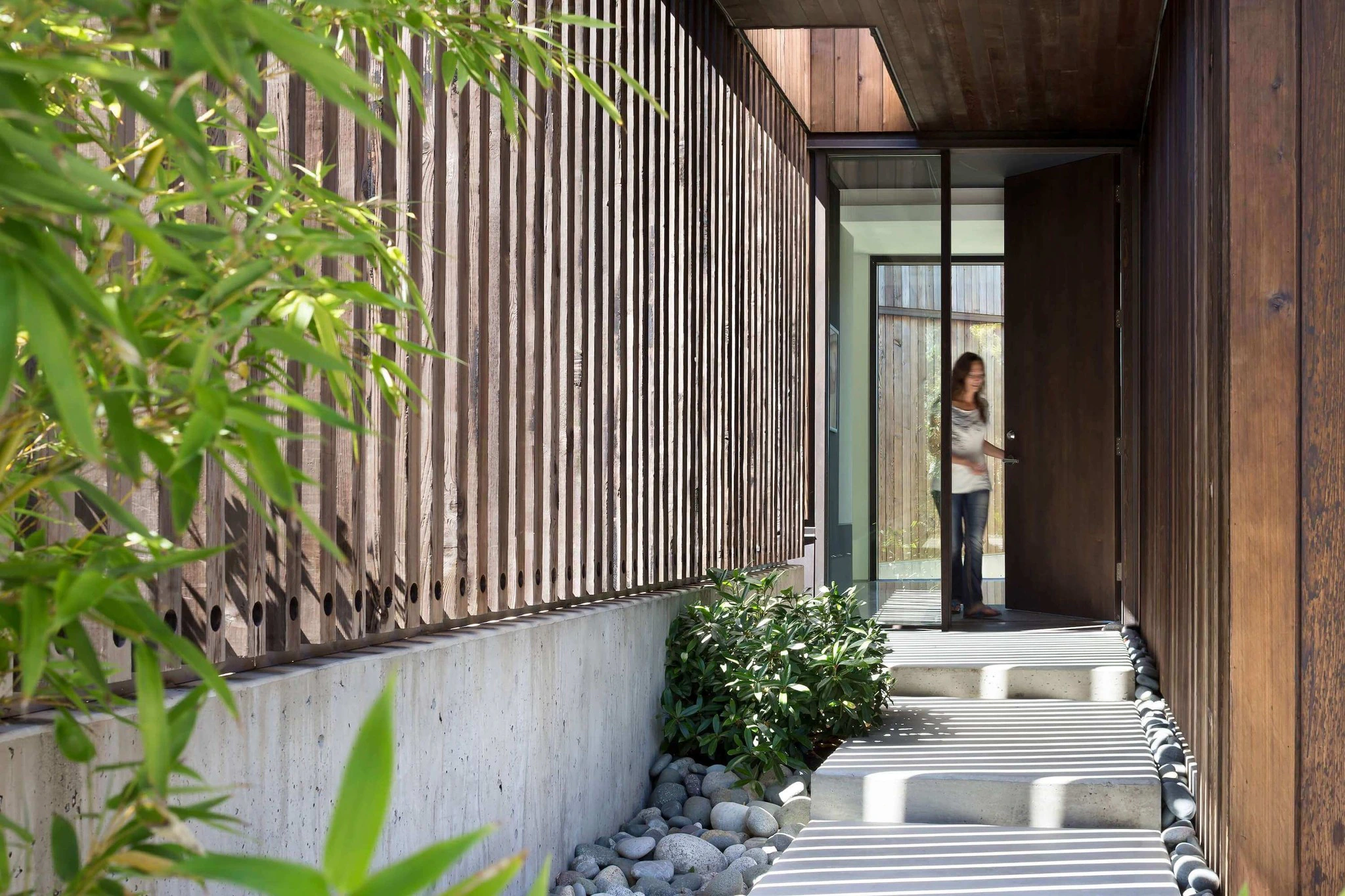
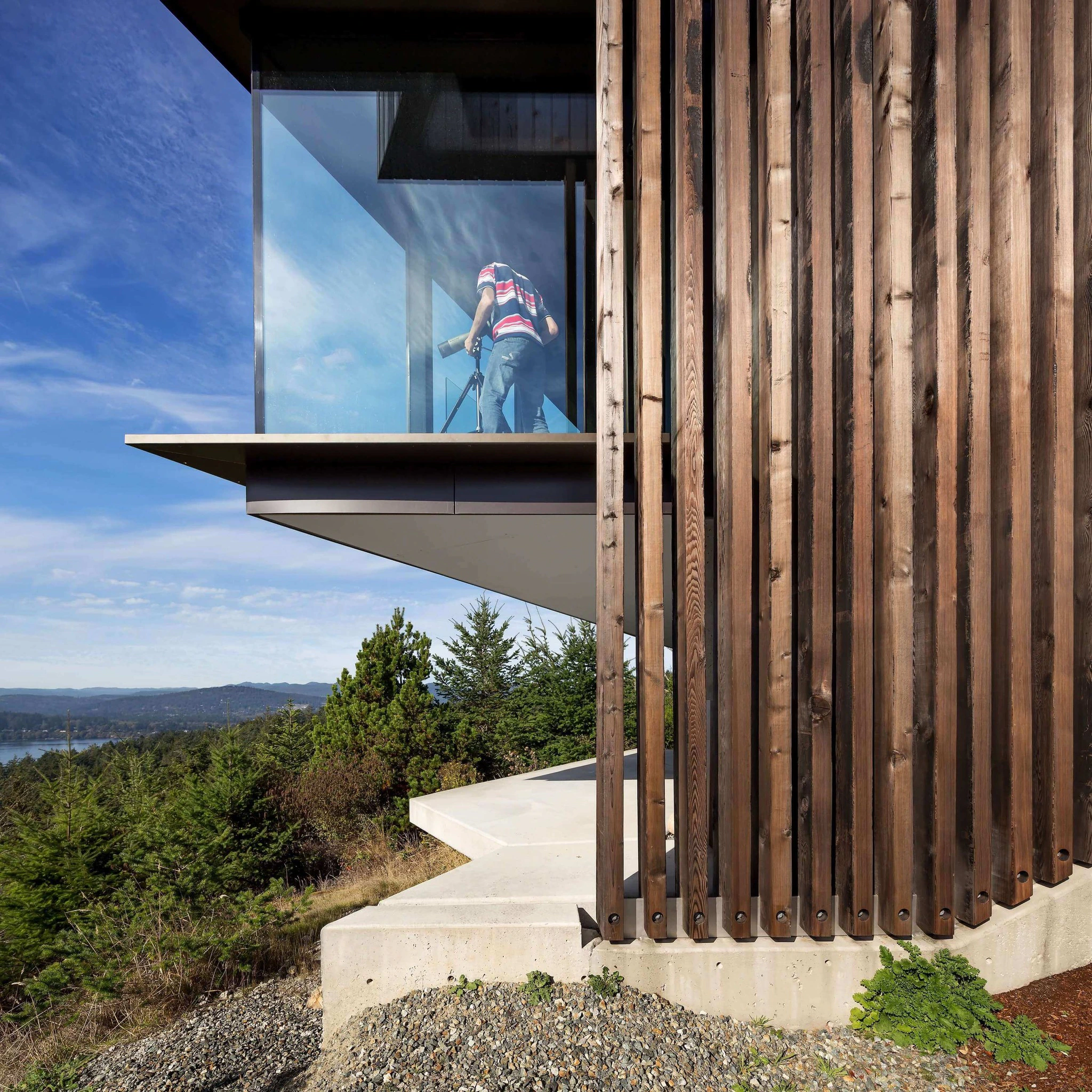
The project’s differentiating move is this external timber lining as camouflage: a deliberately quiet skin that absorbs colour, light and shadow, allowing the house to recede—almost invisible—so the forest becomes the primary architecture.