Central: The Original Store
There is an undeniable allure in how Central: The Original Store emerges amid Bangkok’s heritage-rich streetscape, balancing its family roots with a refreshed identity. This fusion is not achieved by nostalgia alone—it is the result of an architectural language that reverberates throughout every brick and beam, a symphony orchestrated by Belgian architect
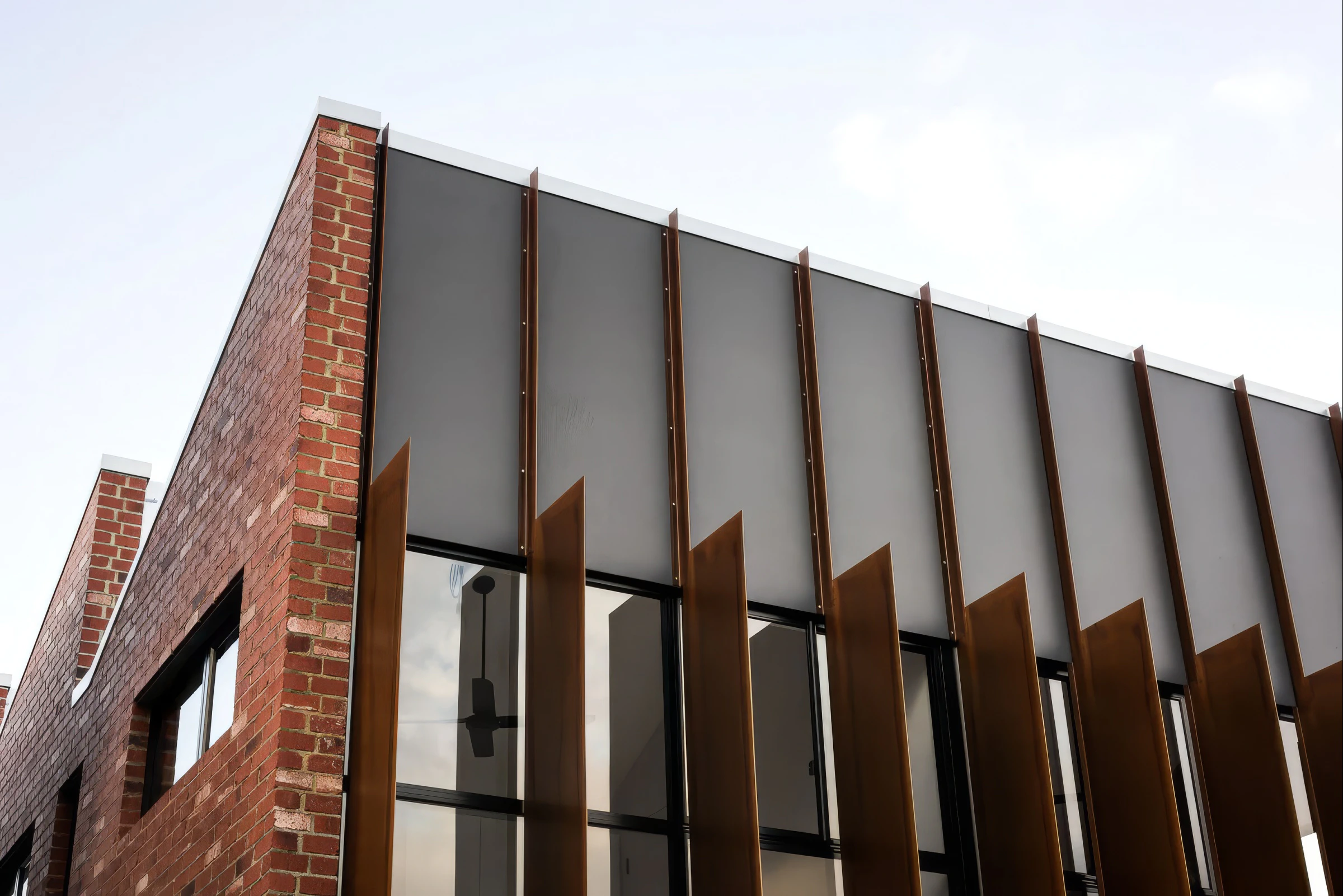
Examining the building’s street presence first, the reddish terracotta brick is the most commanding material register. This choice, both bold and honest, immediately situates the store within Bangkok’s urban texture, mirroring the city’s older townhouses and trading blocks. Subtle uplighting underscores horizontal bands, deftly sculpting the façade by night and echoing the linearity of neighbouring architecture. There is a sense of rhythm to how the brickwork and illuminated reveals interact: instead of a glossy retail façade, passersby encounter a gentle, lantern-like glow that welcomes rather than overwhelms. The building stands with confident restraint, distinguished yet harmoniously embedded in its Charoen Krung context, where the bustle of city life palpably lingers just outside.
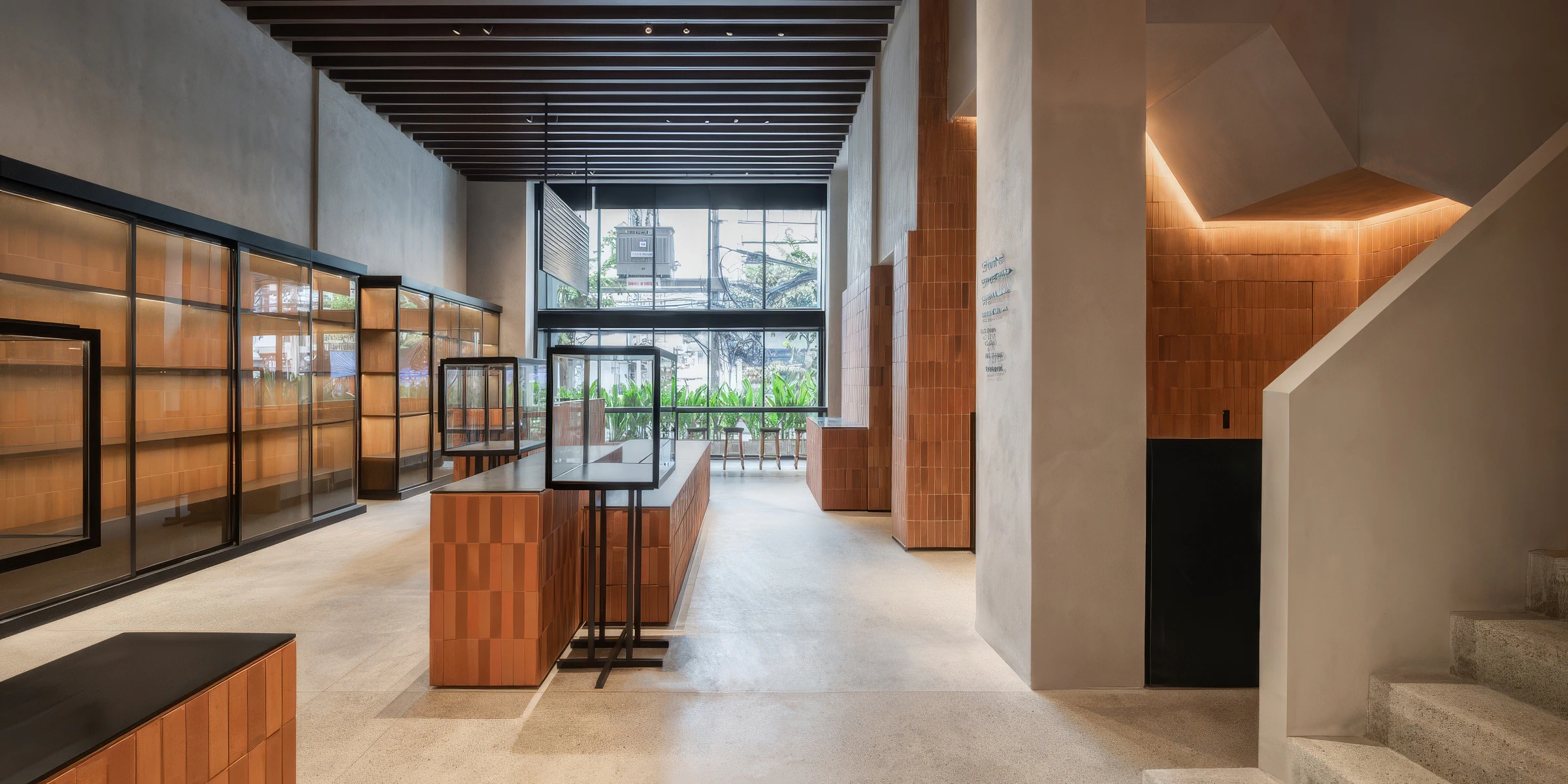
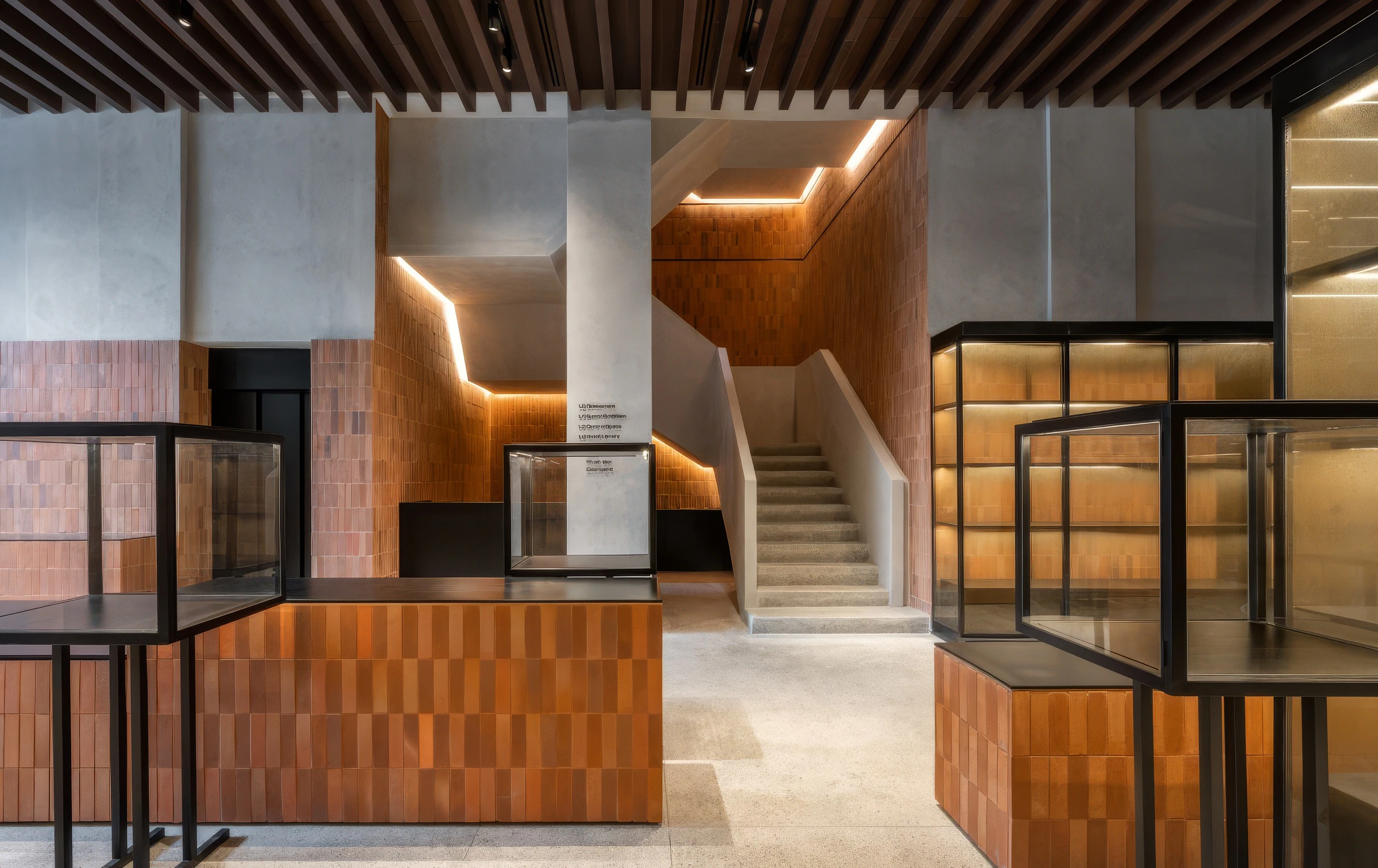
Within, the approach is one of studied minimalism paired with tactile warmth. The gallery-like entry level is defined by a grid of glass vitrines and robust, earth-toned brick cabinetry. These vitrines float atop their plinths, lending an air of delicacy to an otherwise solid language of materiality. The terrazzo floors extend the spatial clarity, grounding visitors as they move between the displays. Sunlight filters through deep windows, highlighting the shifting interplay among brick, glass, and shimmering metal frames; together, these elements allude to Bangkok’s earliest department store window displays. Yet, rather than mimic past styles, the textures and geometries serve as a subtle tribute to the era’s underlying aesthetic unity—a dialogue between history and forward-looking design.
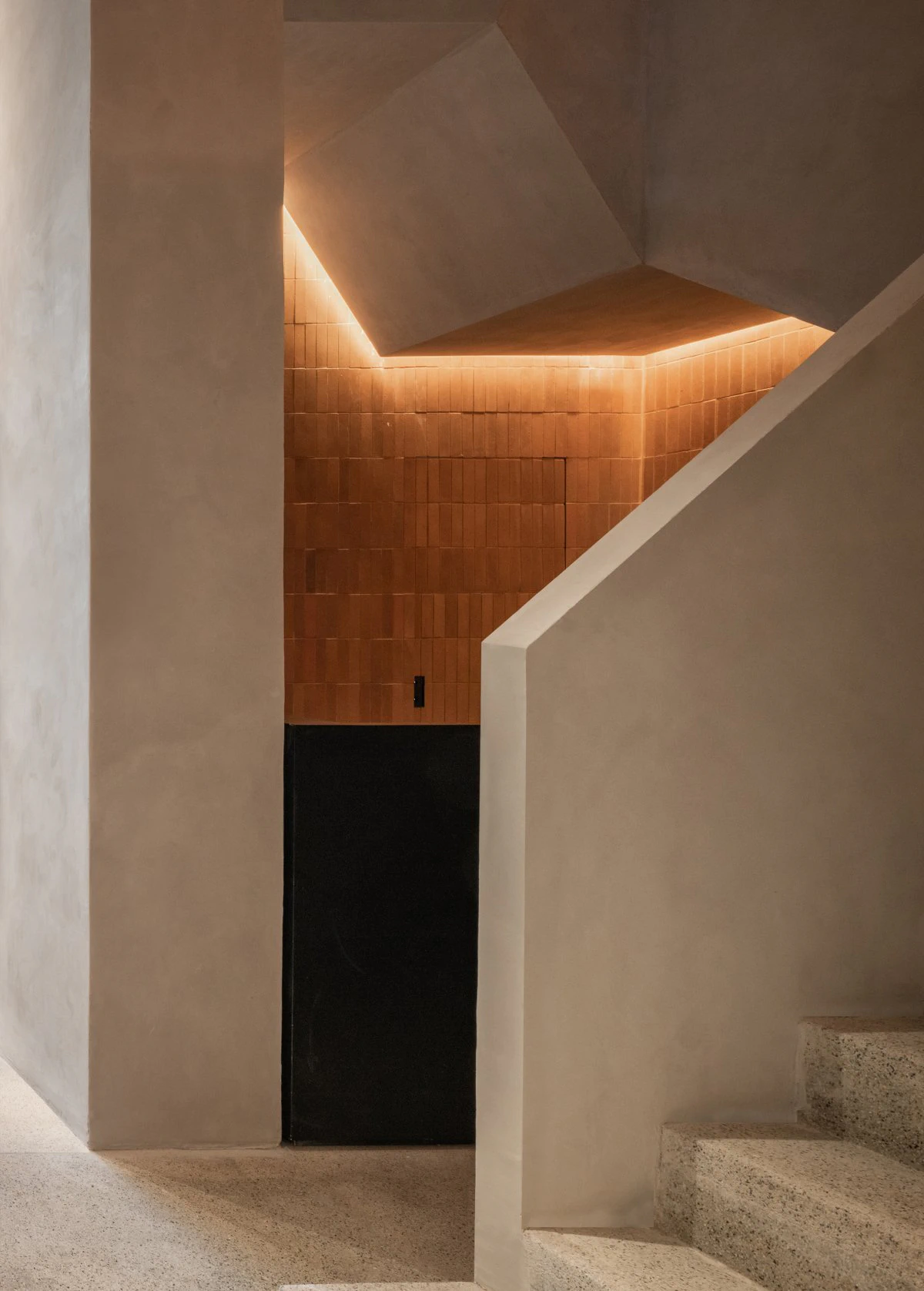
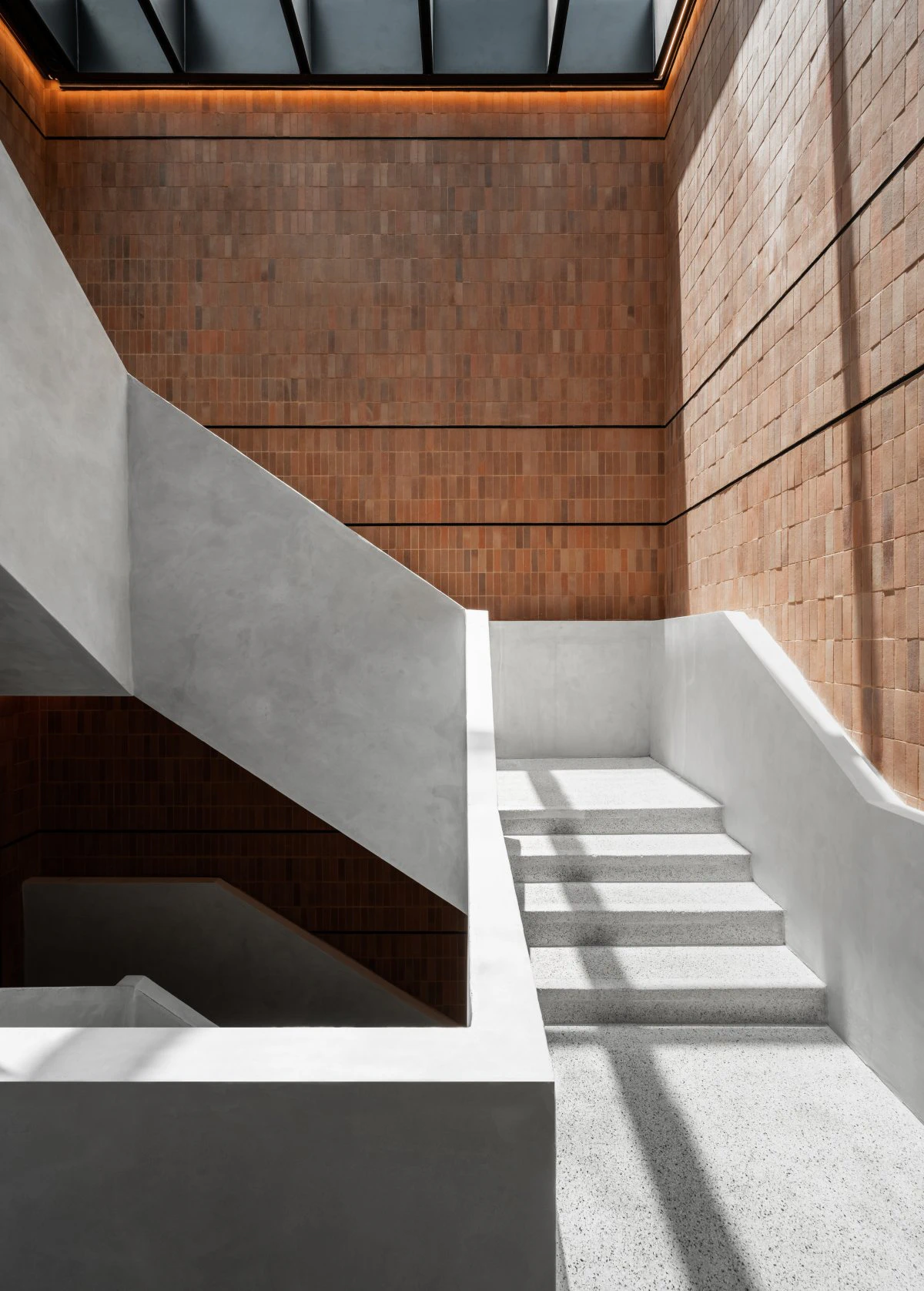
As one ascends the sculpted staircase, the atmosphere deepens in complexity. The stairwell is enveloped by its sharp-edged planes and careful illumination, creating moments of spatial drama. Hints of raw concrete reveal themselves, tempered by the golden glow reflecting off the clustered brickwork, as though each step is choreographed to heighten anticipation. Above, daylight seeps in, drawing visitors towards the upper levels and anchoring the vertical circulation at the heart of the building.
On the second floor, the so-called Retail Library unfolds as a hybrid social space. The curation of books and artefacts is more than decorative: it embodies the intent to make this a centre for cultural exchange. Furniture and finishes are kept understated, encouraging guests to linger among stories and ideas, basking in the natural light that softens the whole experience. It’s a modern-day parlour set within the city.
Transitioning upward, the third and fourth levels become more dynamic as exhibition and event spaces. These floors are flexible in their architecture—a movable central display case partitions the area as needed, echoing Central’s reputation for adaptability over the decades. The blueprint's potential for transformation reflects the ongoing evolution of urban Bangkok and the city's self-perception.
Crowning Central: The Original Store is the rooftop dining experience—a realm conceived by Tripsters and renowned chef David Thompson. With panoramic views of Bangkok’s skyline, diners are as much participants in the city’s unfolding story as they are patrons of its cuisine. The landscaping atop the building softens the hard lines, creating a pocket of calm above the urban thrum, while the glass balustrades remain visually unobtrusive, amplifying the sweep of the skyline.
At each juncture, the architecture of Central: The Original Store channels a sophisticated tension between preservation and reinvention. The design never lapses into kitsch revivalism but rather celebrates memory through material honesty, structural clarity, and an ever-present openness to the surrounding city. Van Duysen’s reimagining invites both regulars and newcomers into a dialogue—a space where every brick, vitrified artefact, and ray of light speaks to Bangkok’s past while laying a foundation for its cultural future.