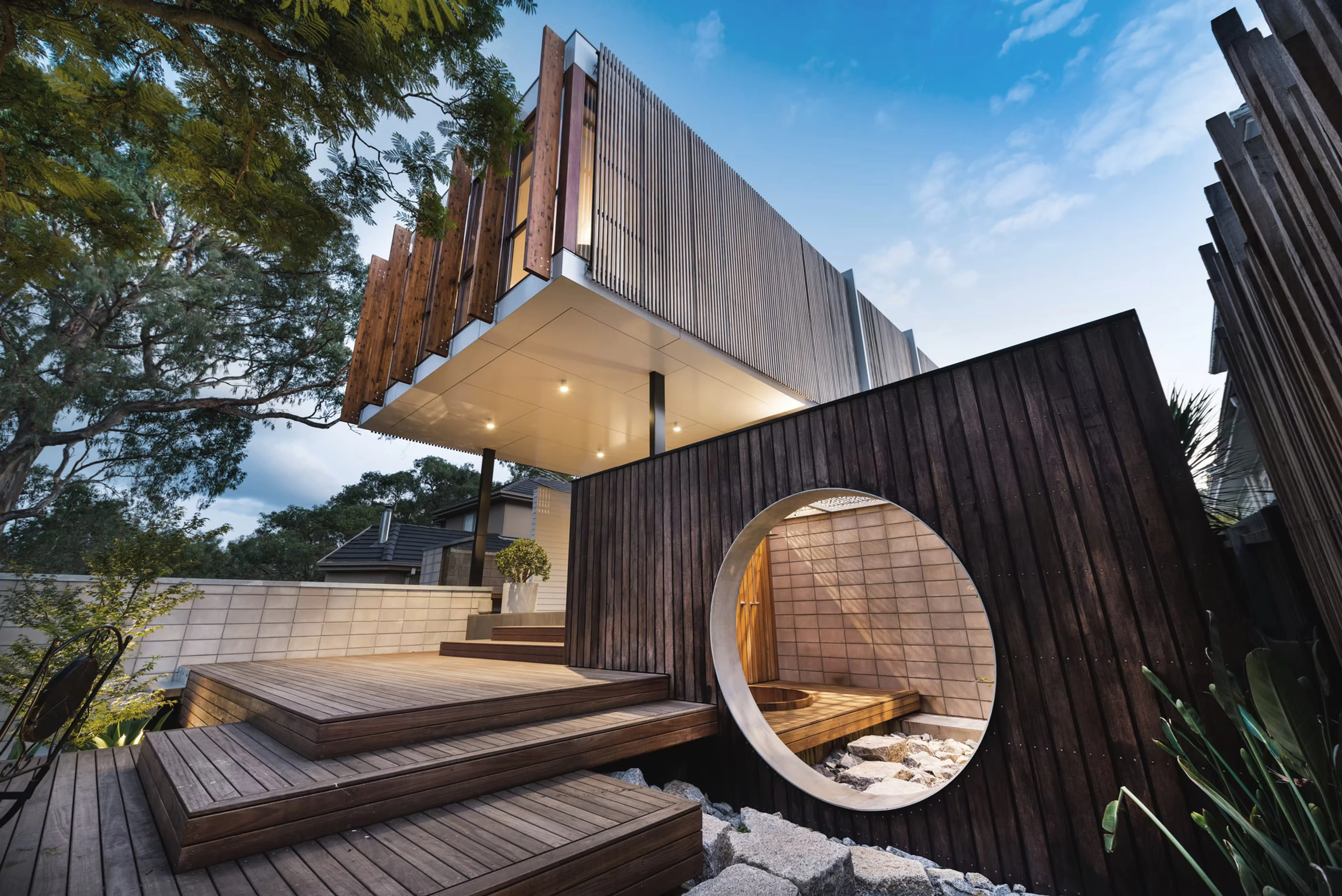
Glasshouse by the Sea

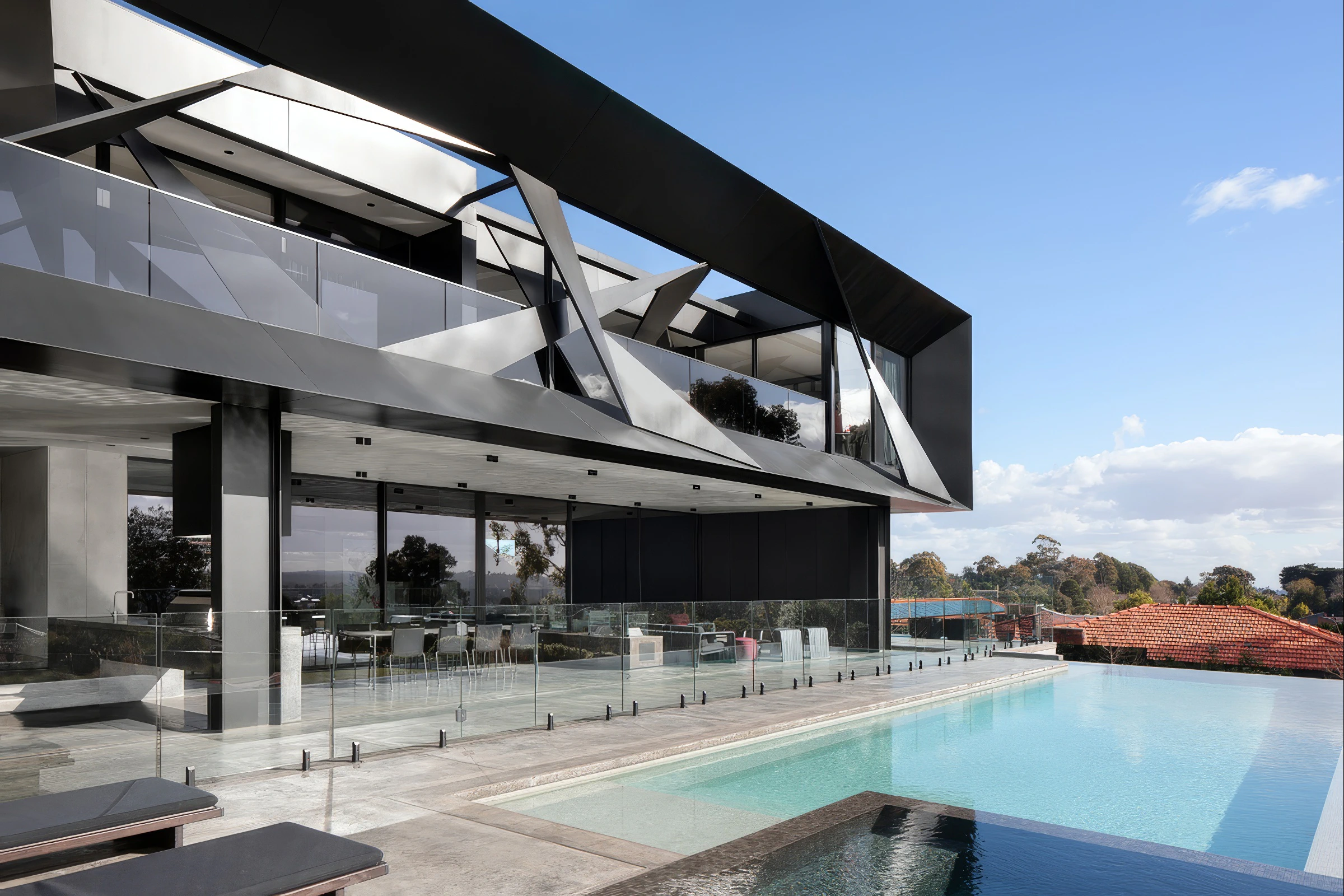
Set above the West Vancouver waterfront and completed in 2022, Marine Residence by Openspace Architecture treats a dramatic site with unusual restraint. The project draws on the legacy of West Coast Modernism to make the landscape the primary event. Open planning, flat roofs, clerestory glazing and a strong indoor-outdoor connection are all present, but they are sharpened here into a quieter architectural proposition: a house defined by lightness, where structure is minimised, boundaries are thinned, and the experience of shelter is closely tied to sky, water and trees

That idea of lightness shapes the project at every scale. Across its 700 square metres, the house is organised as a long, horizontal composition that settles into the site instead of rising above it. As Eric Pettit, Senior Associate at
The design emphasises a long, horizontal massing, allowing guests to look over the house to the ocean and expansive southern sky.Eric PettitSenior Associate at Openspace Architecture
The same reasoning informs the building’s spatial and material decisions. Extensive glazing dissolves the perimeter, while open-plan living areas avoid unnecessary enclosure and allow light to travel deeply through the interior. Thin clerestory bands detach the upper bedroom volume from the floor below, giving parts of the house a hovering quality. Flat roof planes, concealed supports and carefully reduced structural elements all contribute to an architecture that feels deliberately dematerialised. Achieving that degree of precision required close collaboration with


If transparency and minimal form create visual lightness, materiality prevents the house from feeling abstract or cold. Board-formed concrete is central to that balance. Its surface retains the grain and rhythm of timber shuttering, bringing the natural texture and warmth of wood into a material more often associated with weight and permanence. Combined with timber soffits and cedar screening, it gives the house a tactile softness that grounds the sharper geometry. This is one of the project’s more convincing moves: it extends the language of West Coast Modernism without resorting to nostalgia, using contemporary detailing to maintain an atmosphere rooted in weather, texture and filtered light.


The connection with nature is not an afterthought but the basis of the project’s planning.


Sustainability is handled with similar discipline. Instead of relying on conspicuous environmental gestures, the house builds performance into its architecture through a high-performance envelope, controlled solar access, deep overhangs, generous daylight and a form calibrated to site and climate. In Marine Residence, lightness is more than an aesthetic ambition. It is a way of making a substantial house feel open, calm and closely attuned to its setting.