Revival of the Teneriffe House
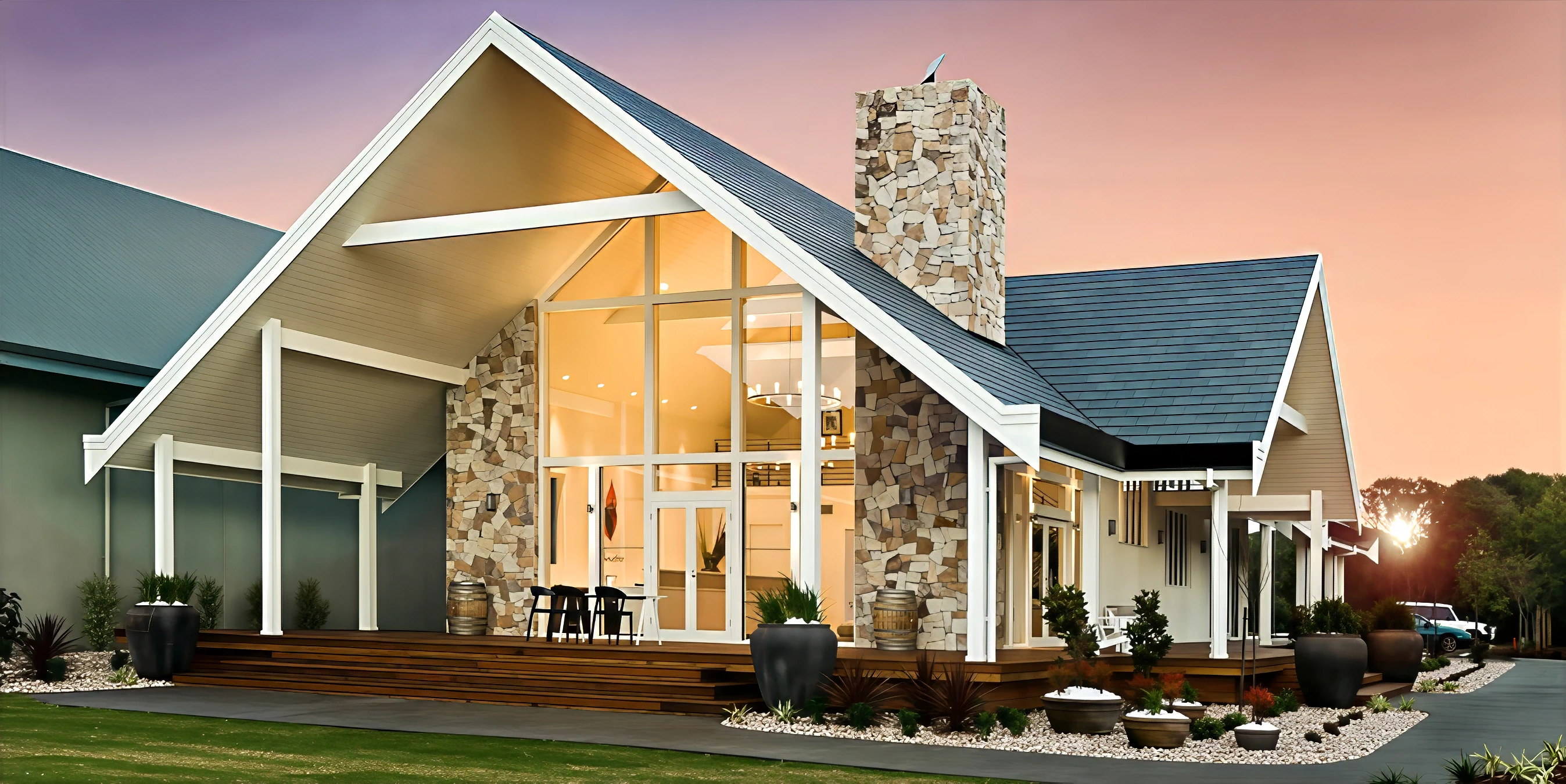
Teneriffe House rises serenely above the leafy avenues of its Brisbane neighbourhood, a building whose wide verandas evoke the quiet ambition of early twentieth-century Queensland. Originally designed by AB Wilson in 1909, the house was conceived as a statement of status, with its elevated positioning, expansive timber veranda, and classically restrained detailing creating a residence of both comfort and presence. Its robust silhouette and restrained ornamentation nestle harmoniously among mature gardens—the facade, with its rhythm of windows and original walls, still holds the confidence of its era.
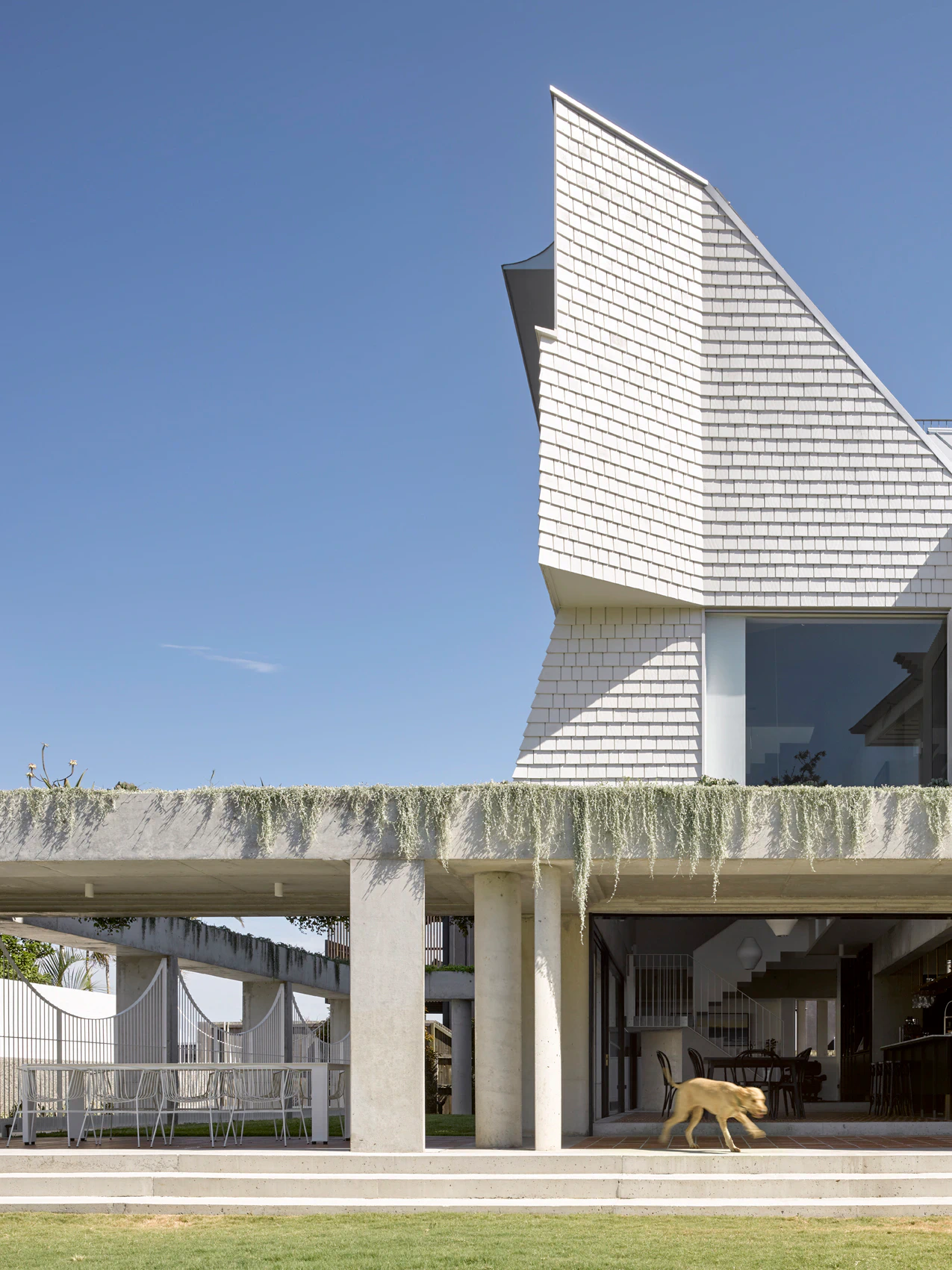
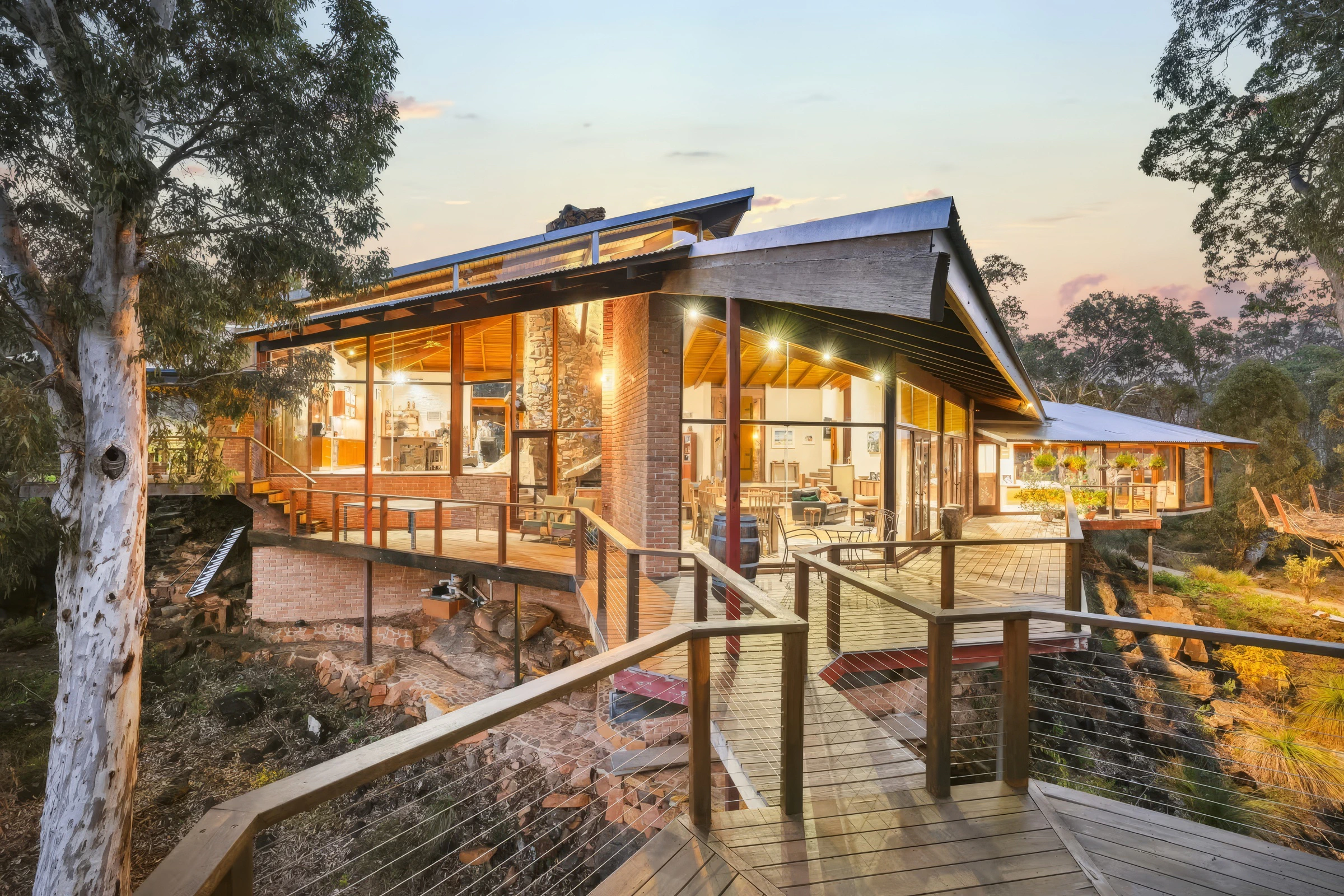
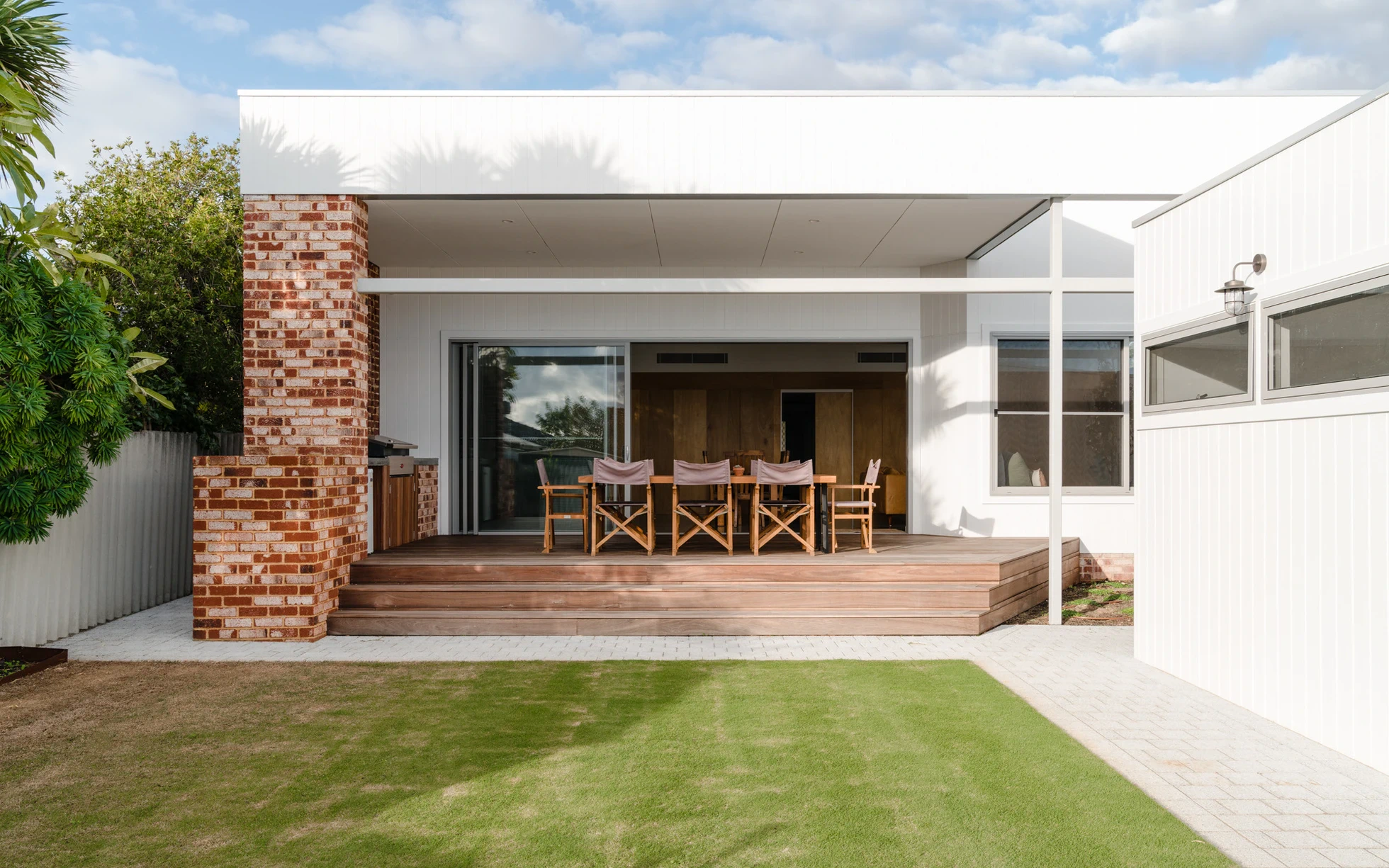
Within this context, recent visual records of the house accentuate the twofold drama of endurance and transformation. Early photographs emphasise the veranda, its timber lattices softened by time, commanding long views over Brisbane. In these images, the layers of paint and repetition of balusters bear witness to generations of occupation. The carefully restored veranda, now returned to its meticulous original form, typifies an attitude of care: each bracket and balustrade has been either preserved or, where time required, sympathetically replaced. This sensitive revival was not merely an aesthetic decision but a conscious act of stewardship—a theme that recurs in the narrative of the house’s most recent transformation.
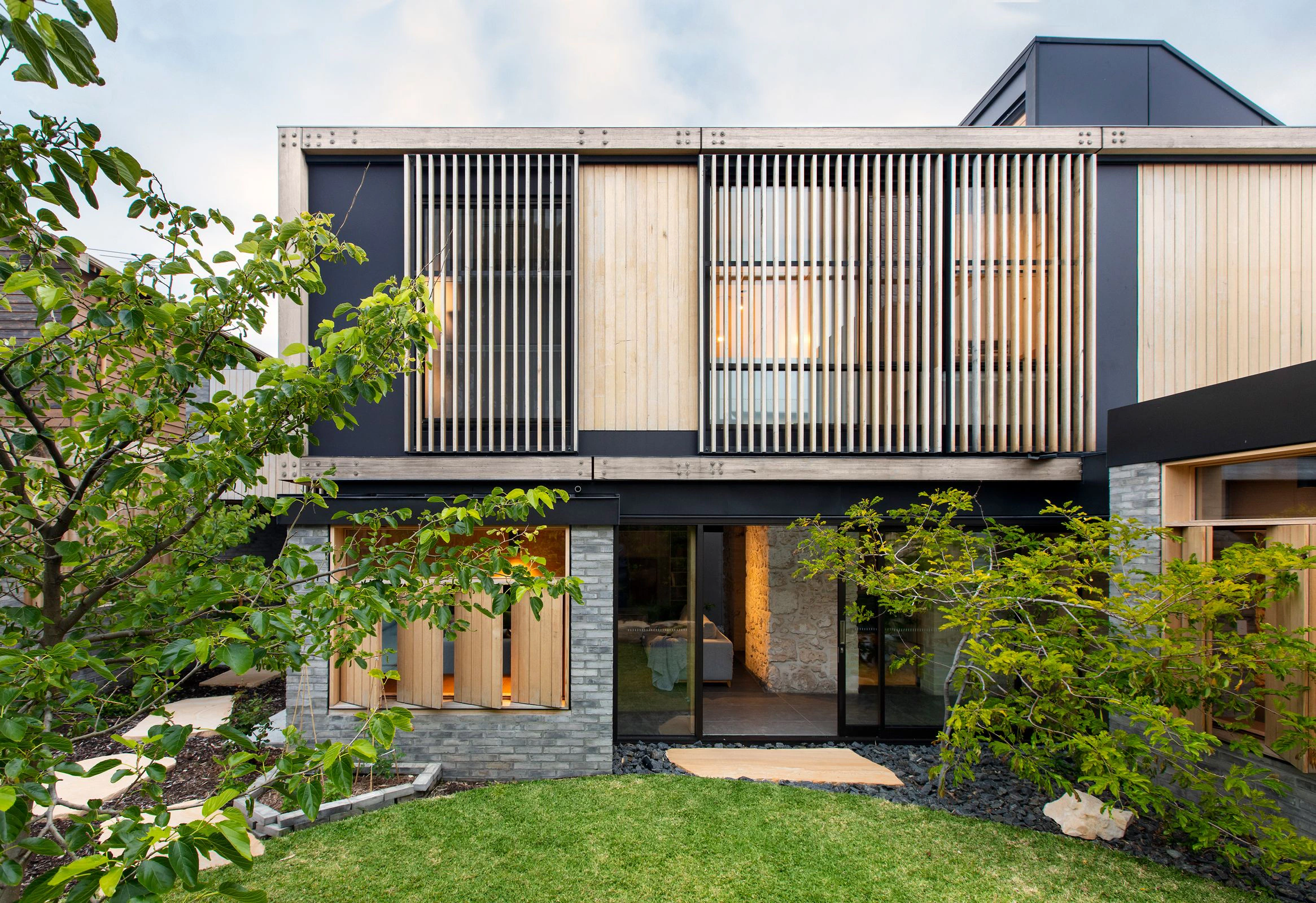
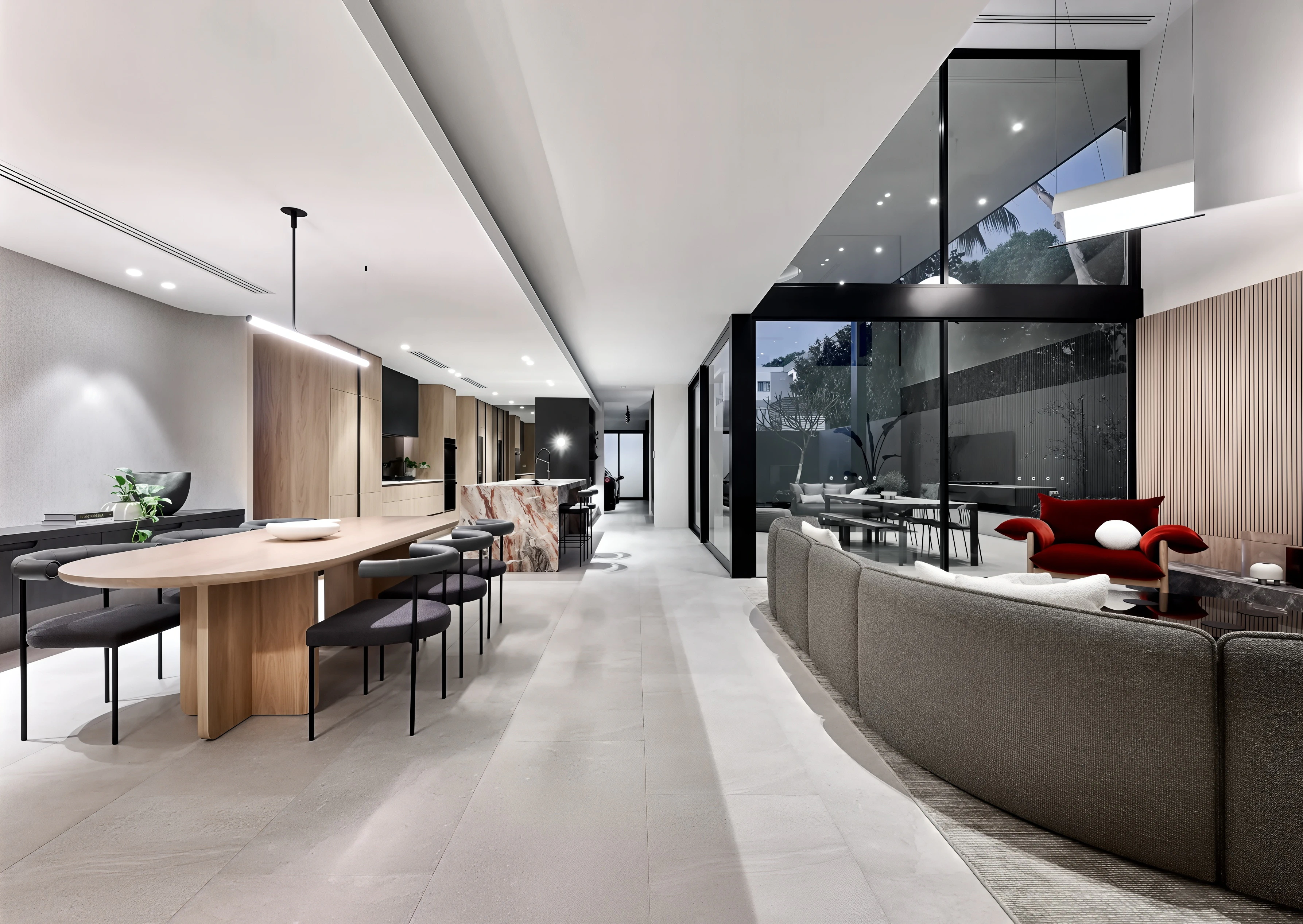
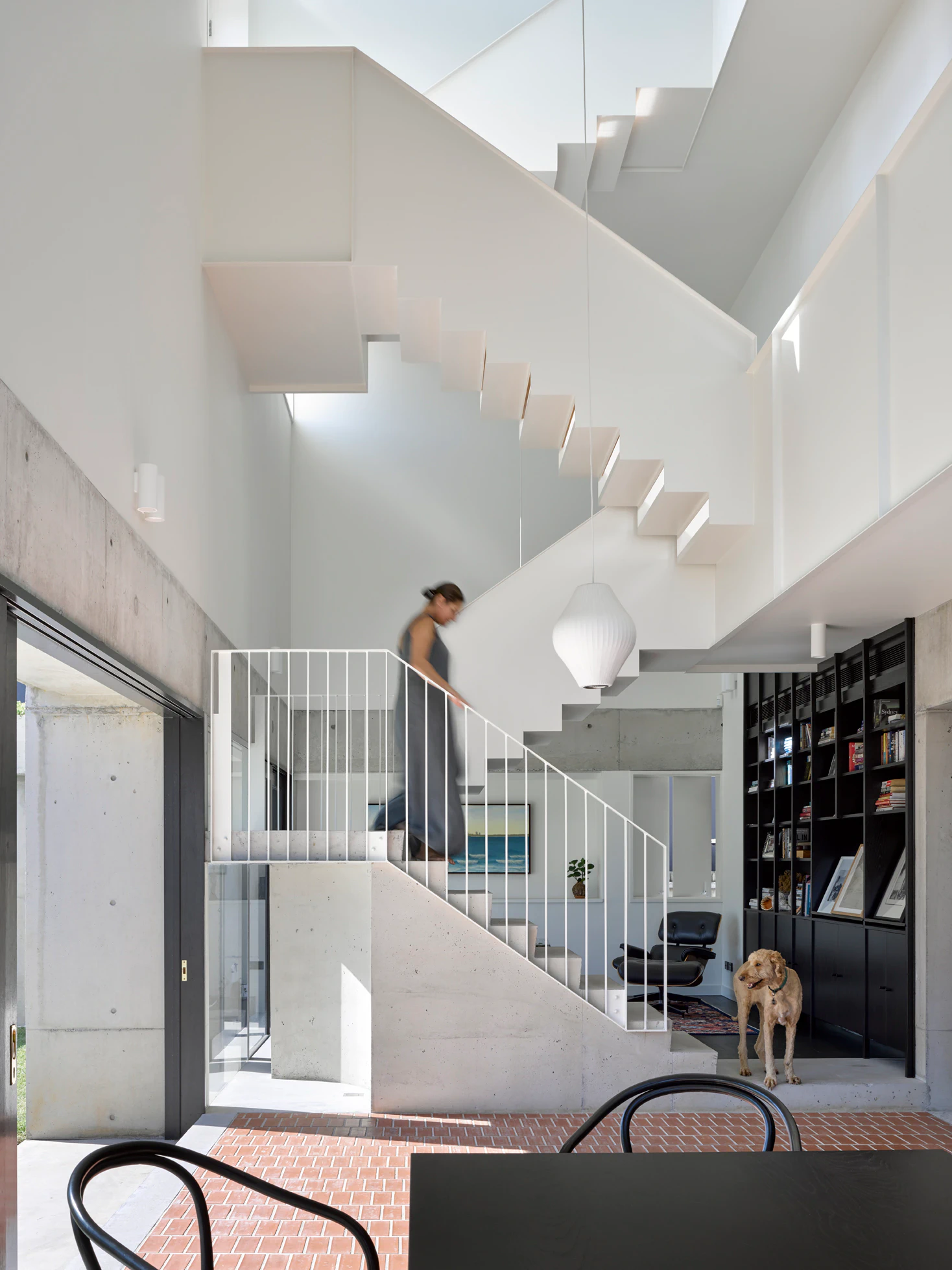
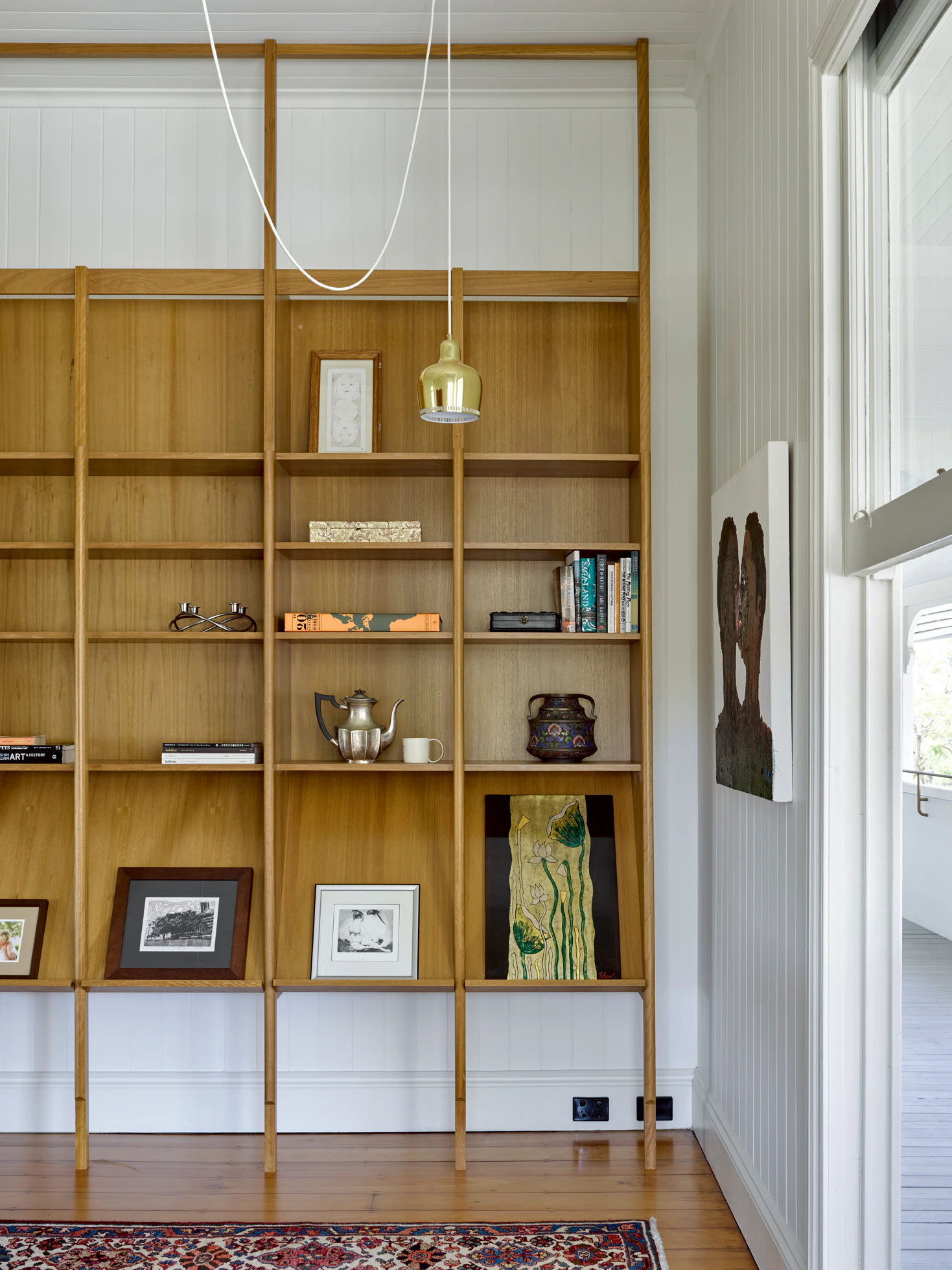
Stepping through the threshold, the photographs present interiors that marry the tactile depth of timber and brick with the clarity of contemporary spatial planning. Recent renovations, as depicted, have pierced former partitions and introduced floor-to-ceiling windows, bathing the interiors in sunlight and reestablishing generous connections between living spaces and the deep shade of the veranda. Wide, open-plan volumes now draw the landscape inward—the contrast between original hardwood floors and crisp white walls creating a dialogue between heritage and renewal. Such scenes reflect the approach of architects
This project, recognised with several prestigious awards—among them the 2019 Habitus House of the Year for Interior and Exterior Connection and multiple accolades from the AIA Queensland Architecture Awards—signals more than technical excellence. It articulates a broader cultural shift: a recognition that the preservation of old houses must evolve beyond static restoration, engaging deeply with both legacy and future use. The new owners, as Vokes and Peters have stated, saw themselves not merely as homeowners but as custodians. “At threat of demolition under any other investor, the new owners (our clients) recognised its inherent cultural value and their custodianship for a significant piece of city fabric.” This stance, illustrated through both their investment and the architects’ work, repositions Teneriffe House as a living artefact—one that speaks to the city’s layered history and contemporary design ambitions.
“At threat of demolition under any other investor, the new owners (our clients) recognised its inherent cultural value and their custodianship for a significant piece of city fabric”Vokes and PetersArchitects
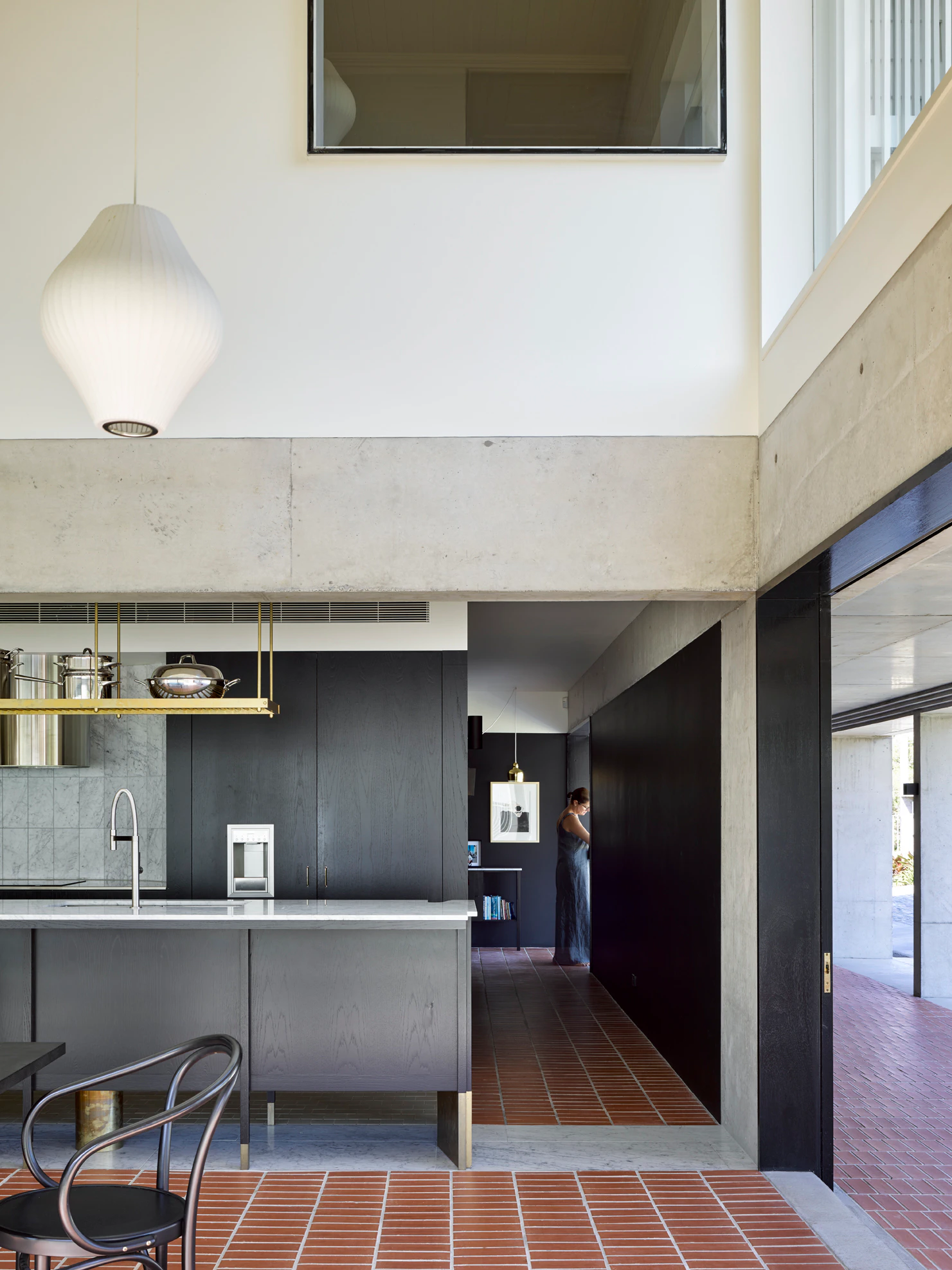
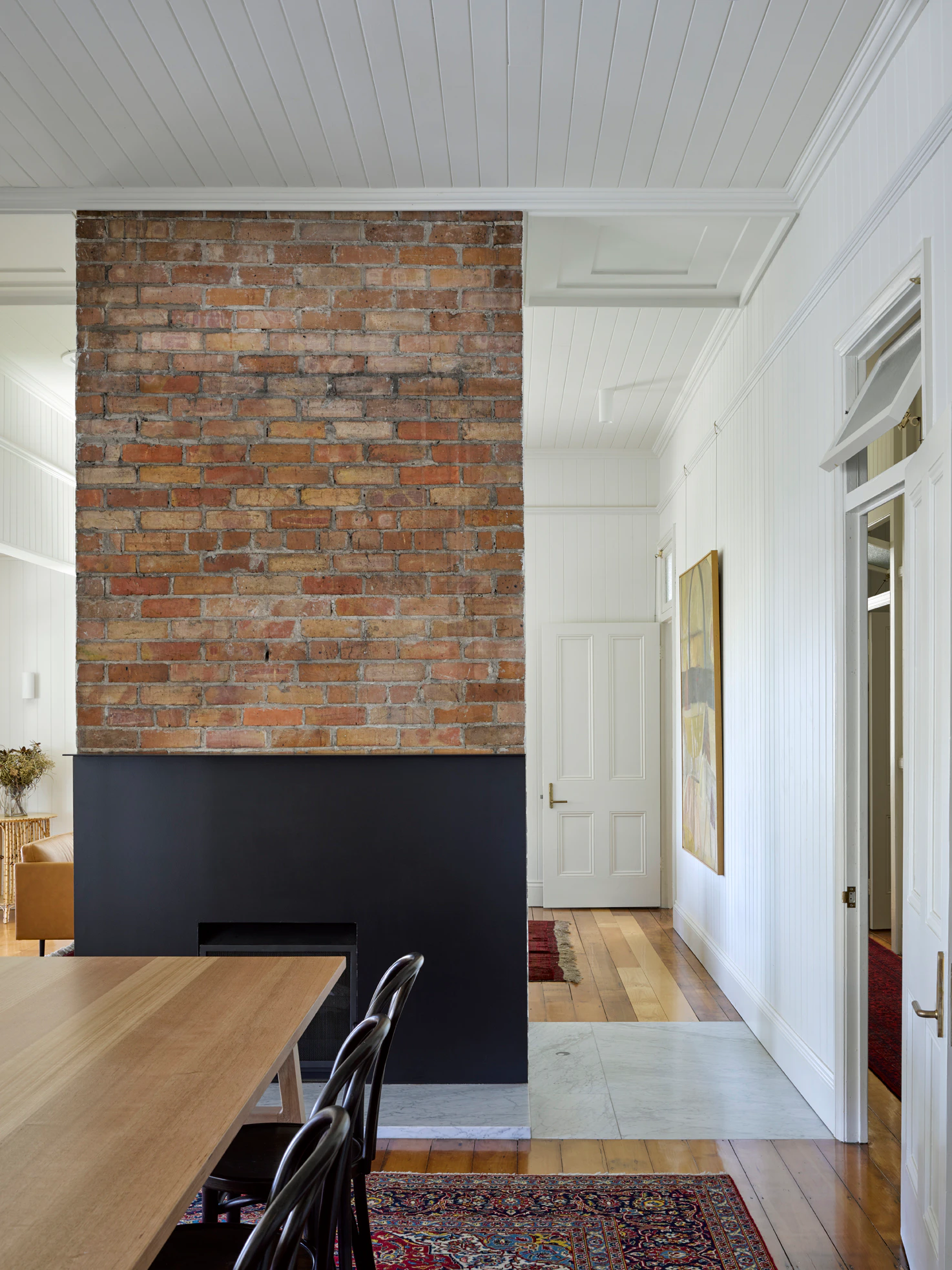
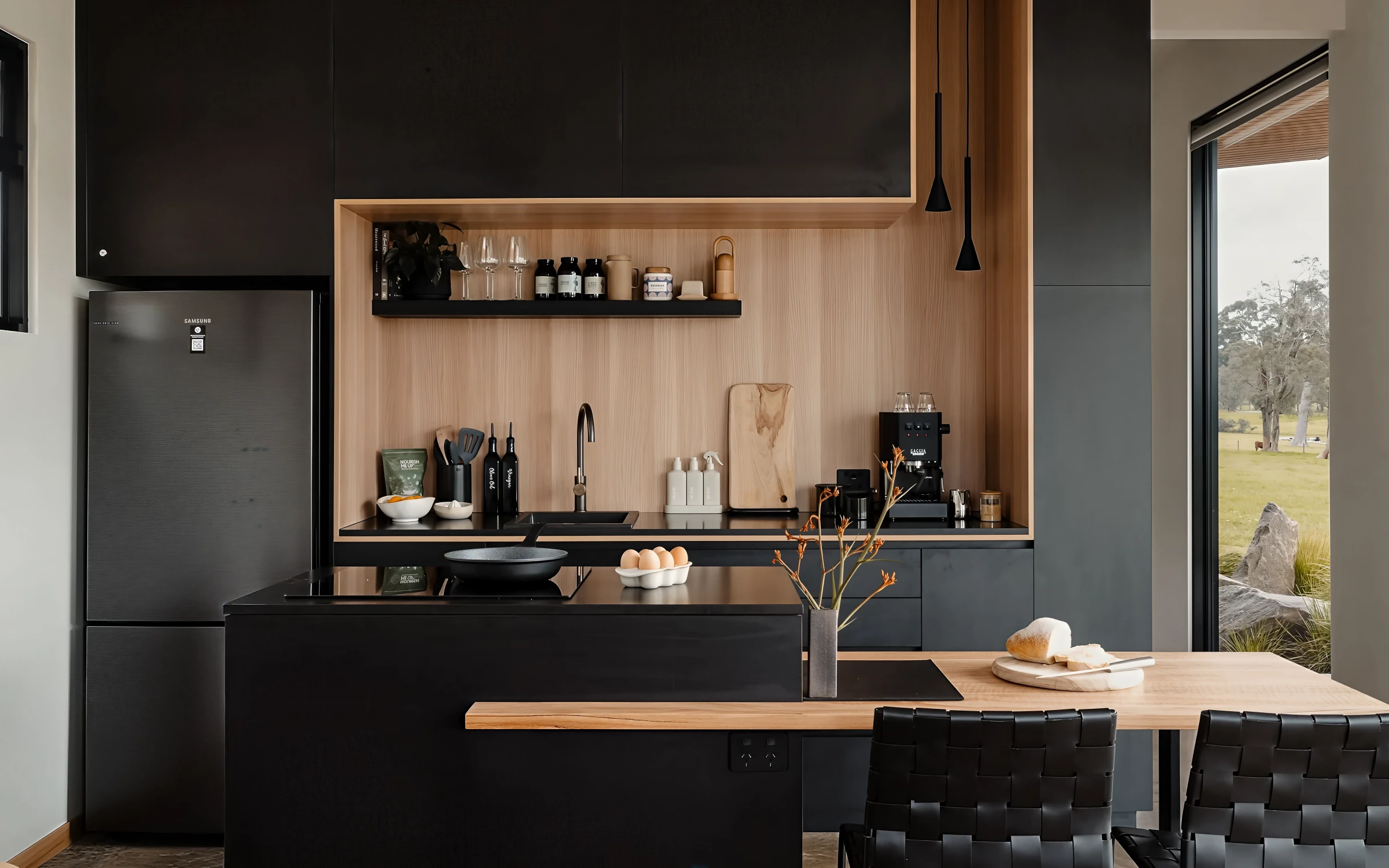
The new image of the house further captures moments unique to this renovation: a sun-drenched breakfast nook, the trace of an old fireplace set against a backdrop of modern cabinetry, and the restful equilibrium of bedrooms revealing century-old joinery beside clean new lines. Lush landscaping outside is framed by restored timber, granting every room a sense of rootedness in both place and time.
Ultimately, Teneriffe House today embodies that rare achievement in