Casa del Este
a residential project by JVL Architects
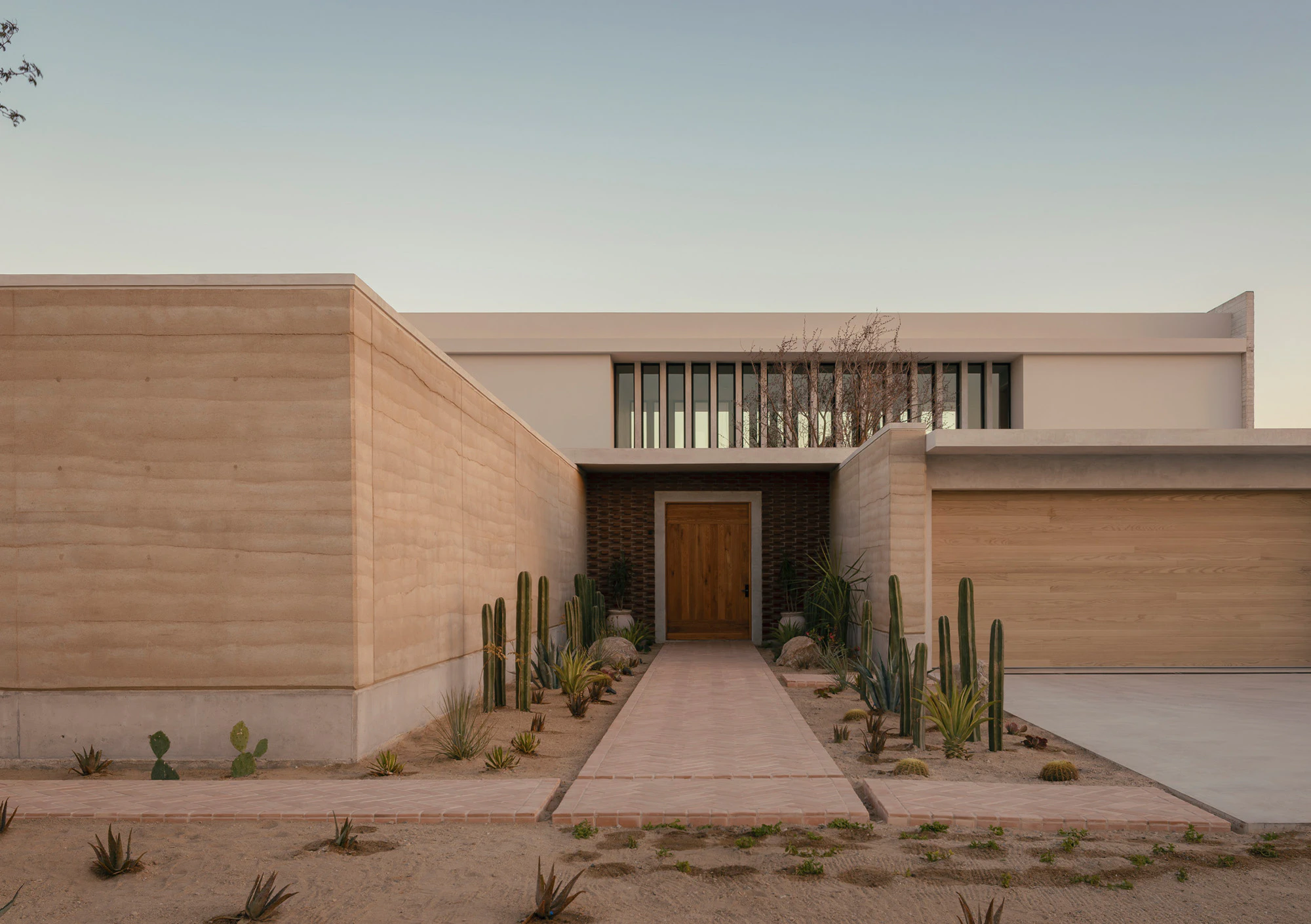
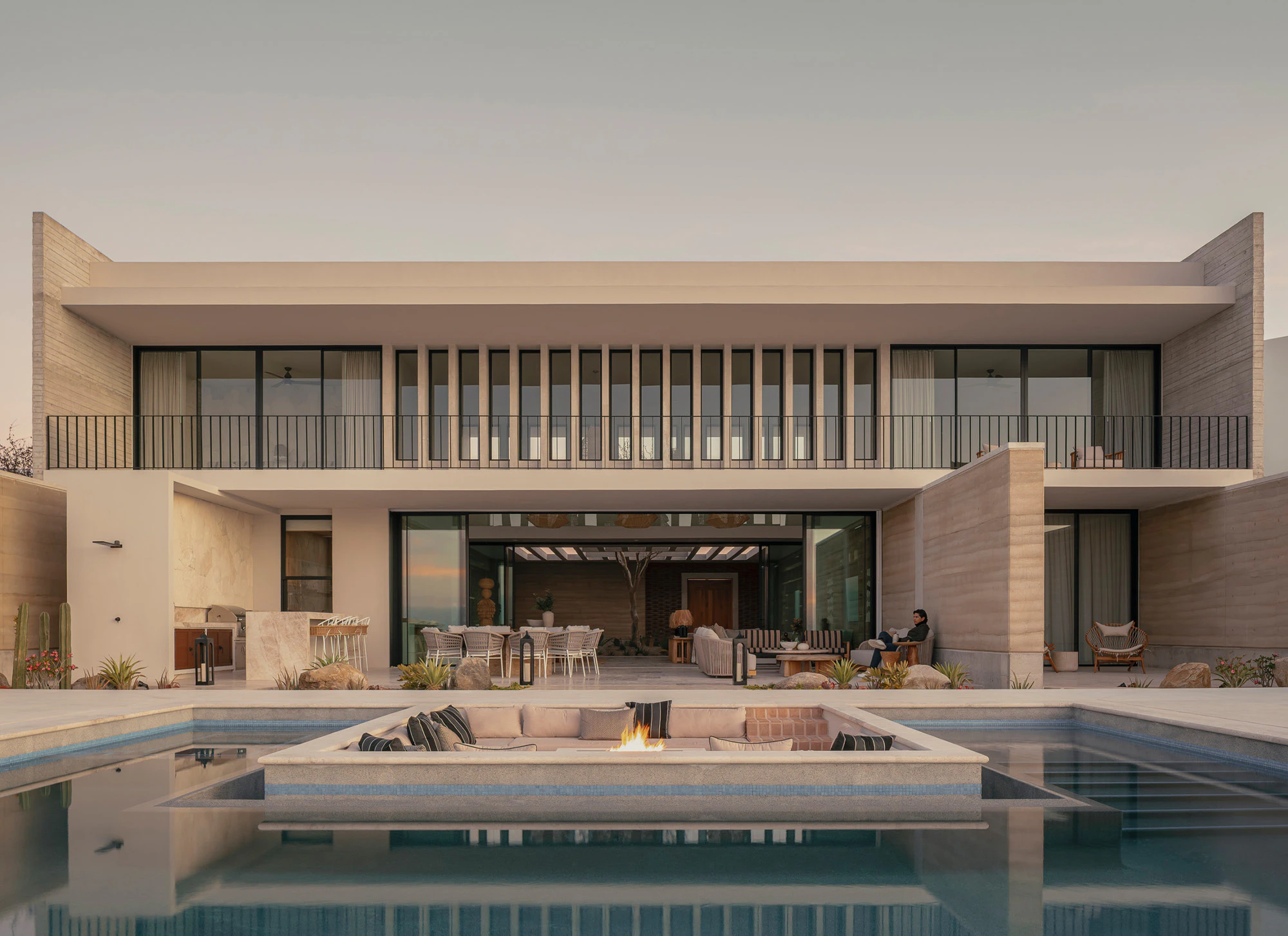
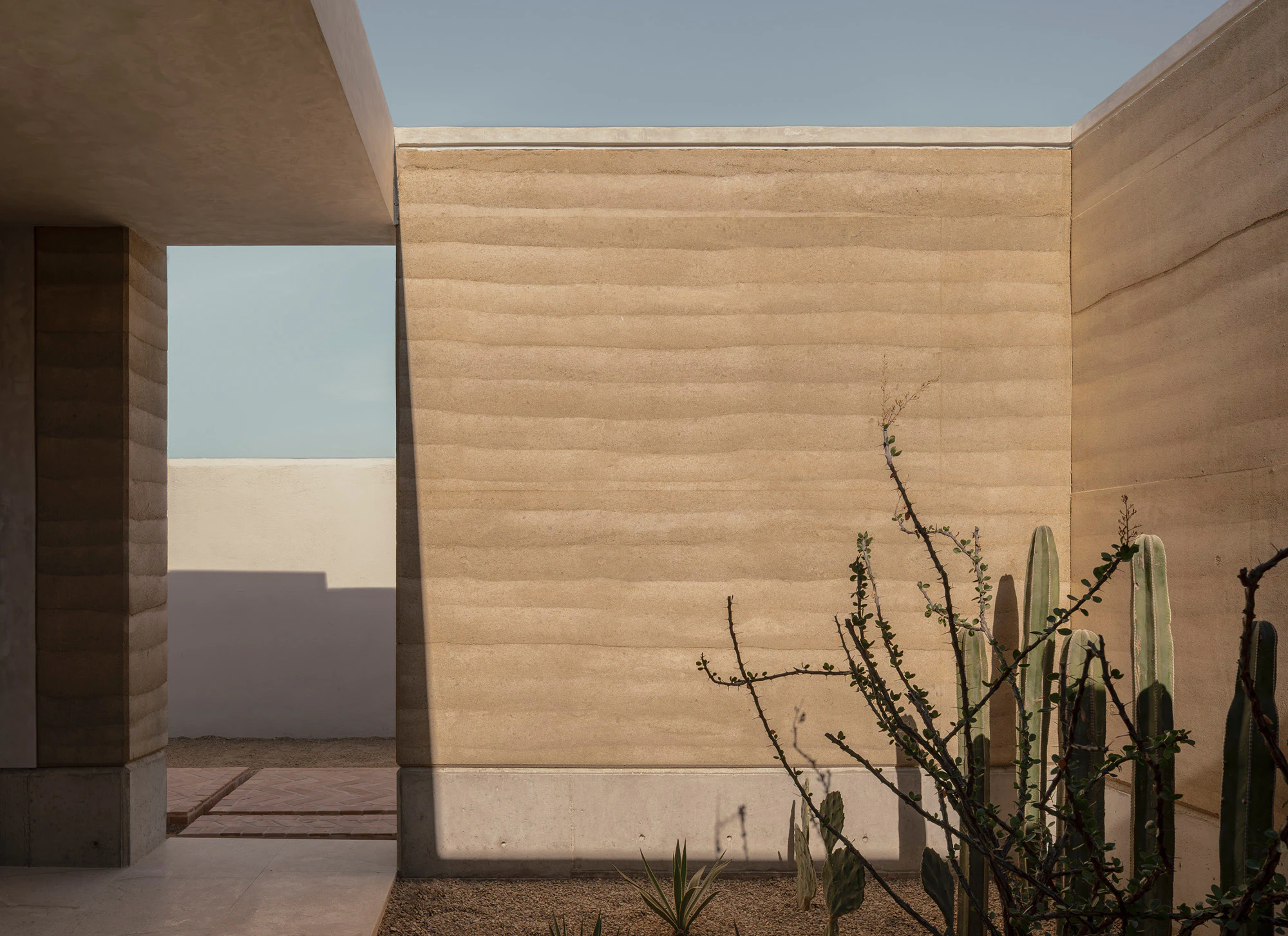
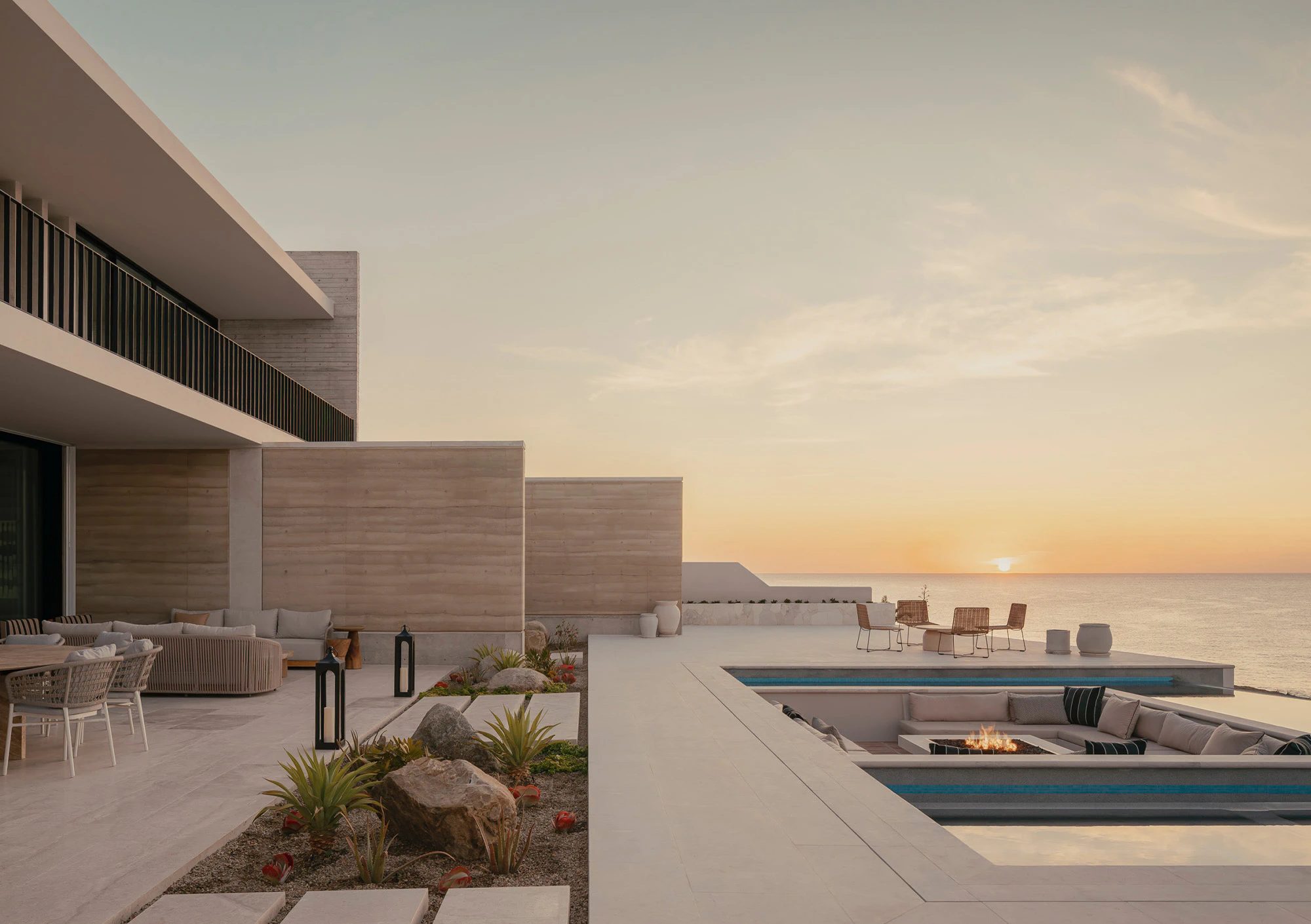
Casa del Este sits low along the Baja California Sur coastline, where desert meets sea in muted layers of sand, scrub and rock. At first glance, the house appears as a continuation of this terrain: broad horizontal planes in sun‑baked earth tones, punctuated by sparse vegetation. Only on closer inspection do these forms reveal themselves as rammed‑earth walls, composed to frame courtyards, shade and long social terraces.
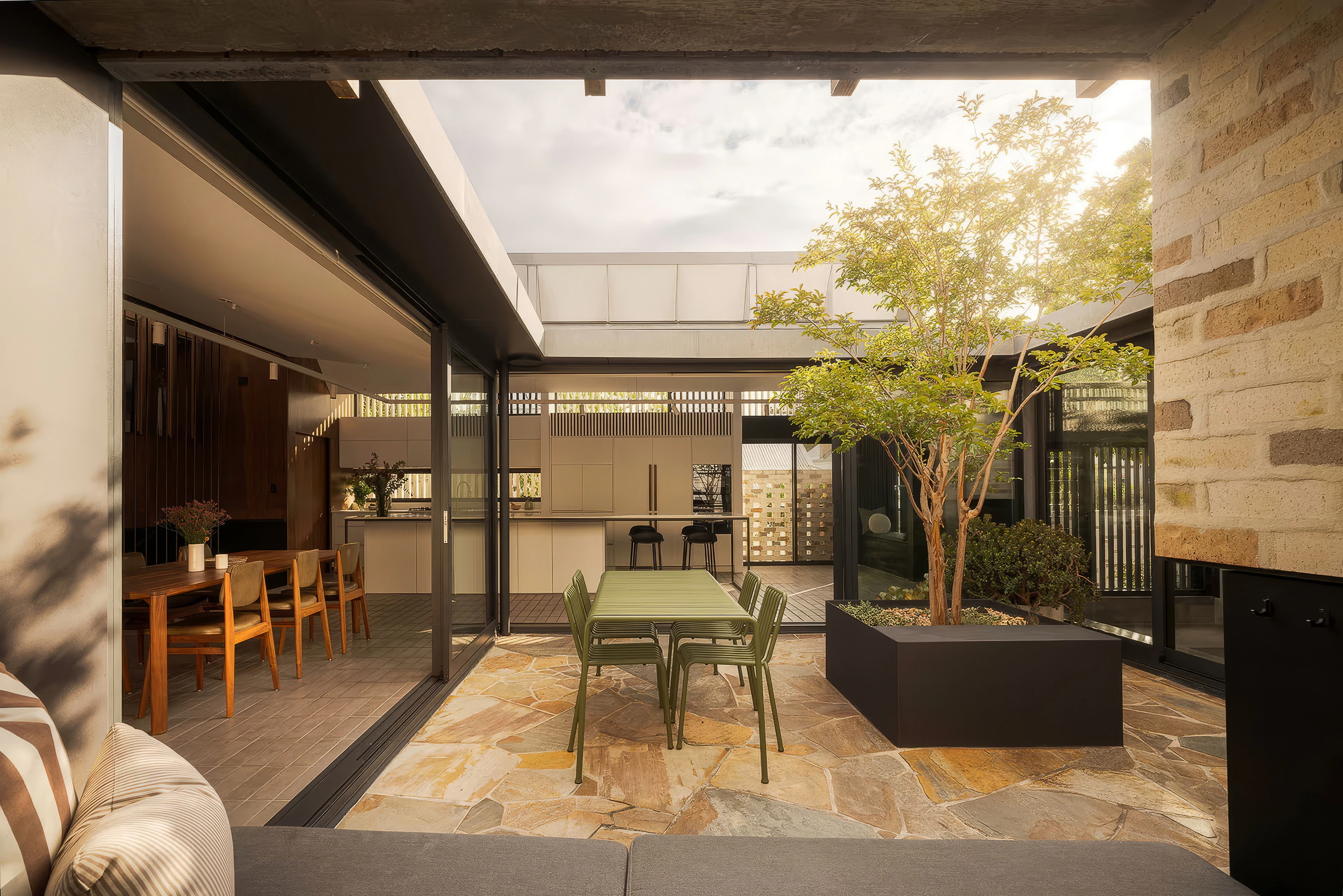
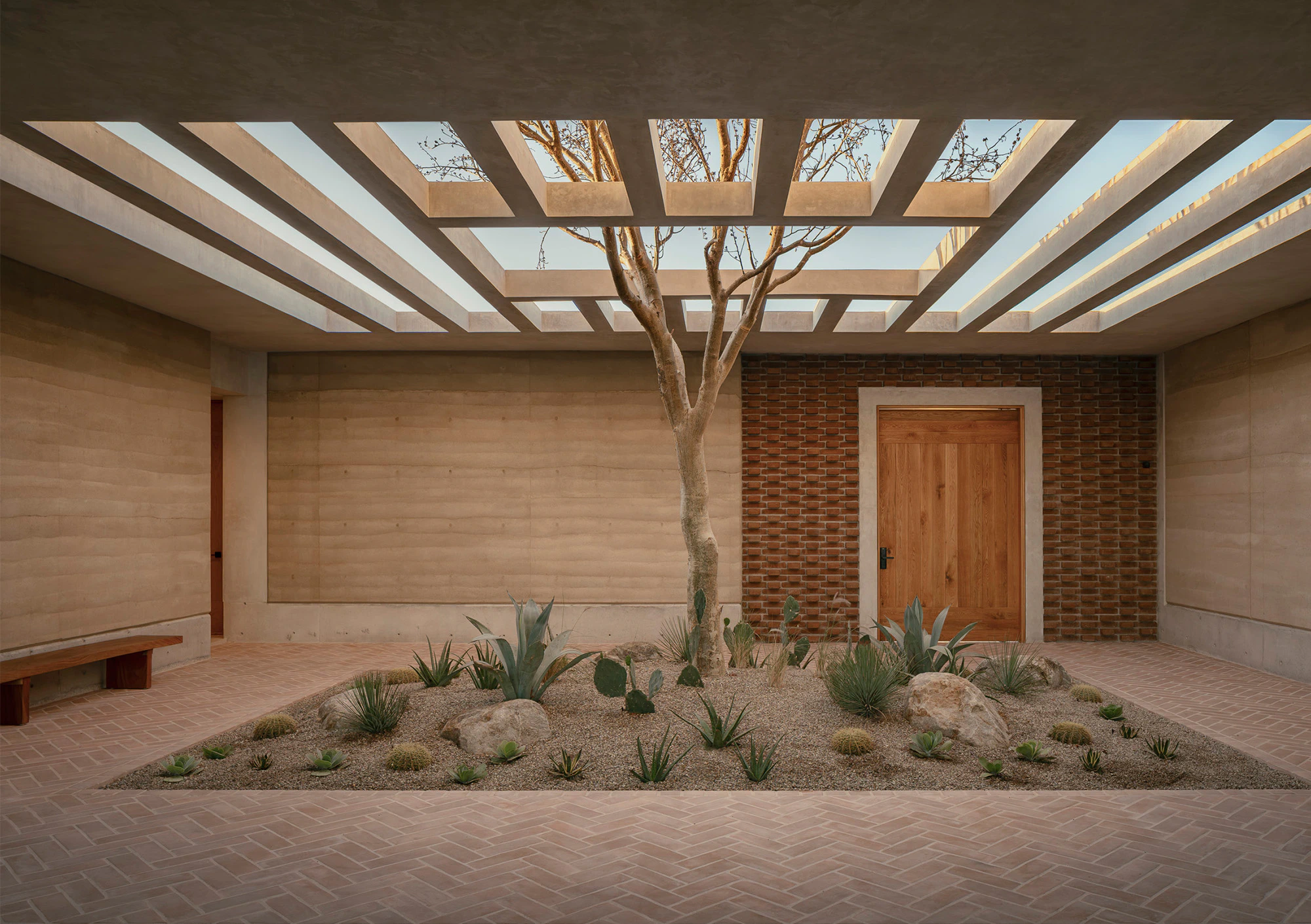
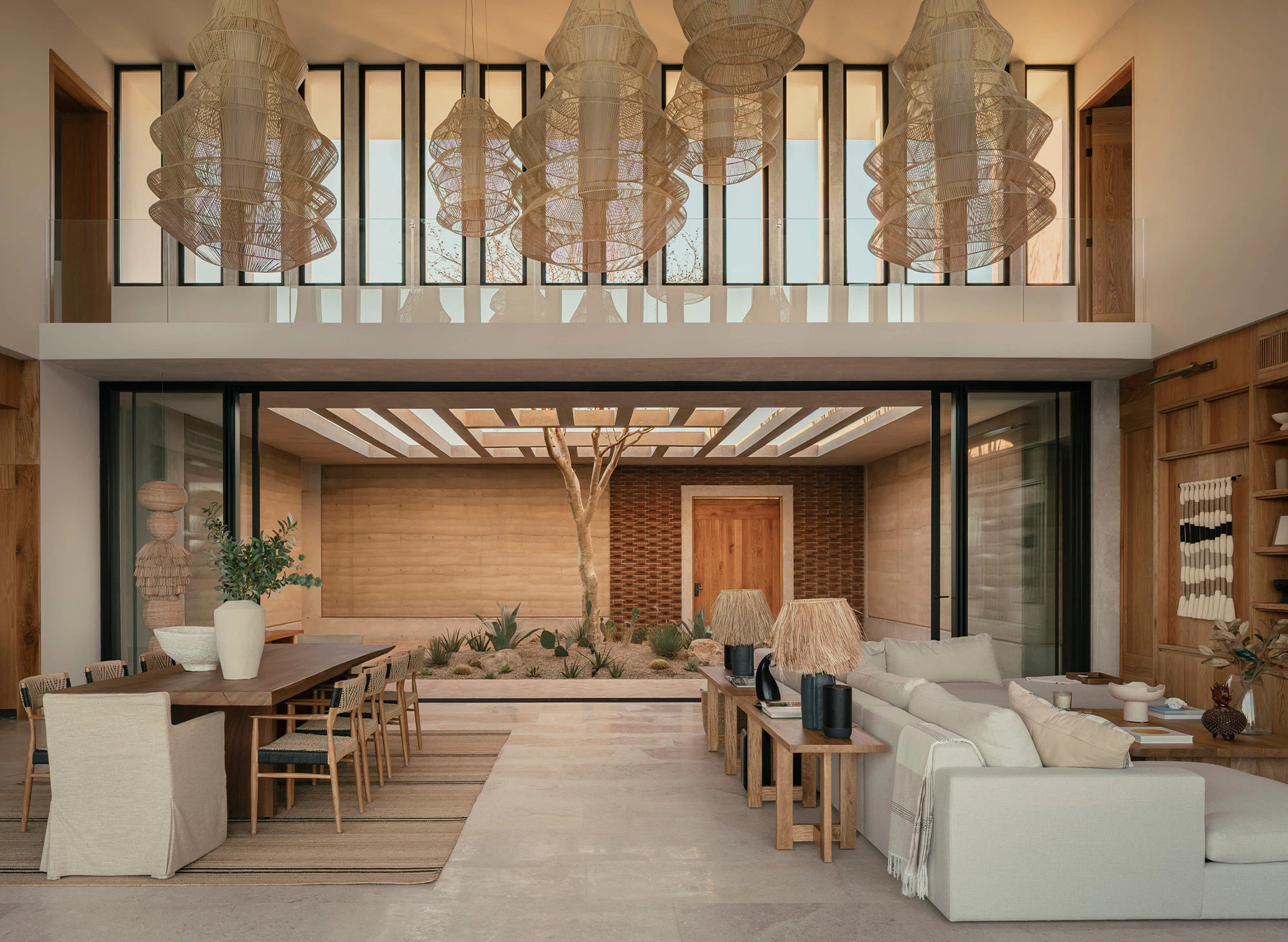
At the centre lies a planted courtyard, grounding the house in Mexican architectural tradition. Echoing the hacienda and coastal patio house, it organises daily life around an open yet protected void. A torote tree, ringed by agaves and endemic species, anchors the space, while a concrete pergola casts shifting bands of shade. More than a formal frame, the pergola moderates heat, channels breezes and creates layered thresholds between inside and out. The courtyard serves as both a climate regulator and a social hub, a natural crossroads from morning coffee to evening conversation.
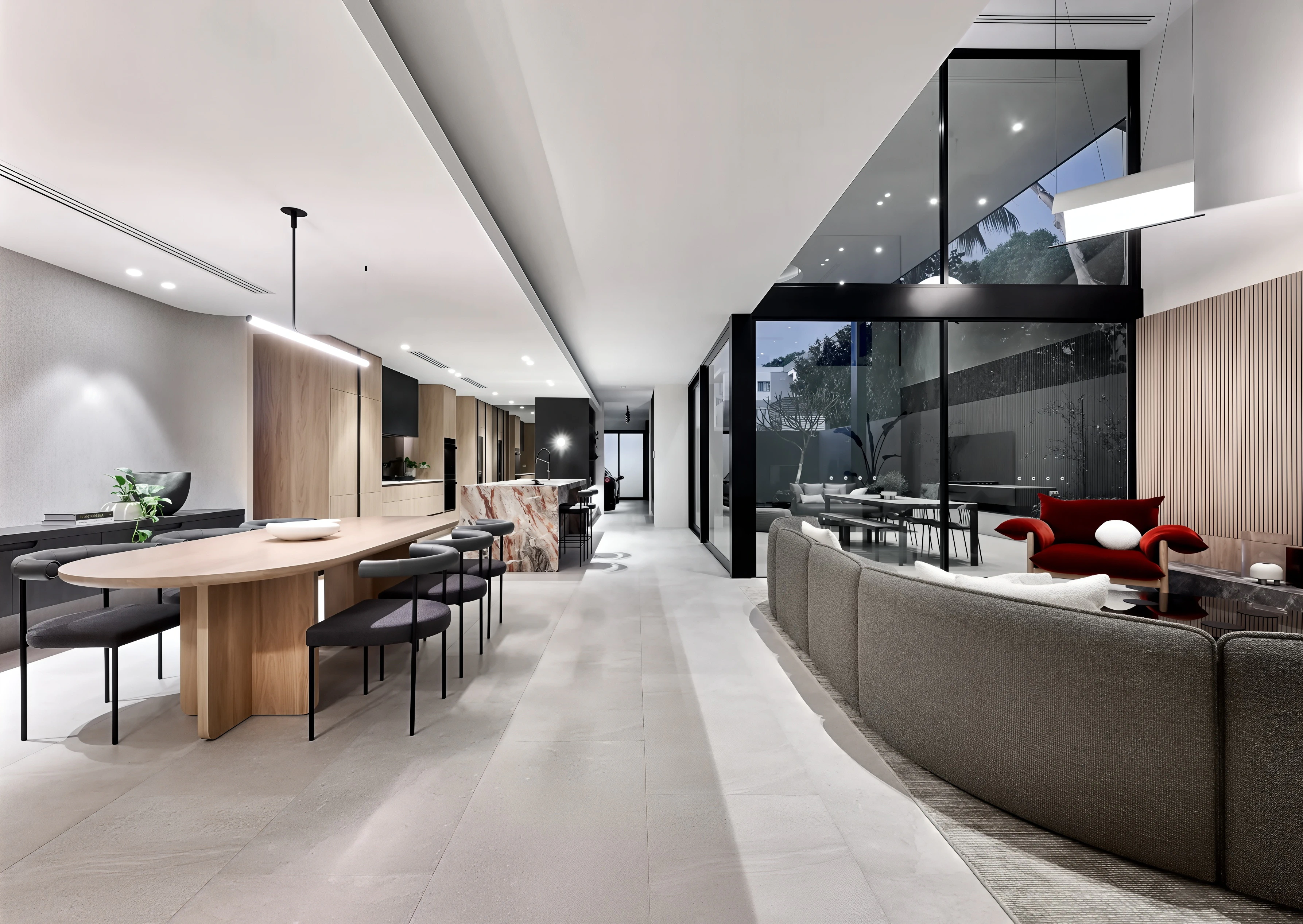
From this core, the house extends toward the ocean through a sequence of communal rooms. A double‑height social hall mediates between the courtyard’s intimacy and the open horizon. Large glazed panels slide away so the room behaves like an extended veranda, with rammed‑earth walls acting as grounding buttresses to an otherwise airy centre. Slender concrete columns, often concealed within the earthen walls, support the roof while keeping visual emphasis on mass and void rather than structural display.

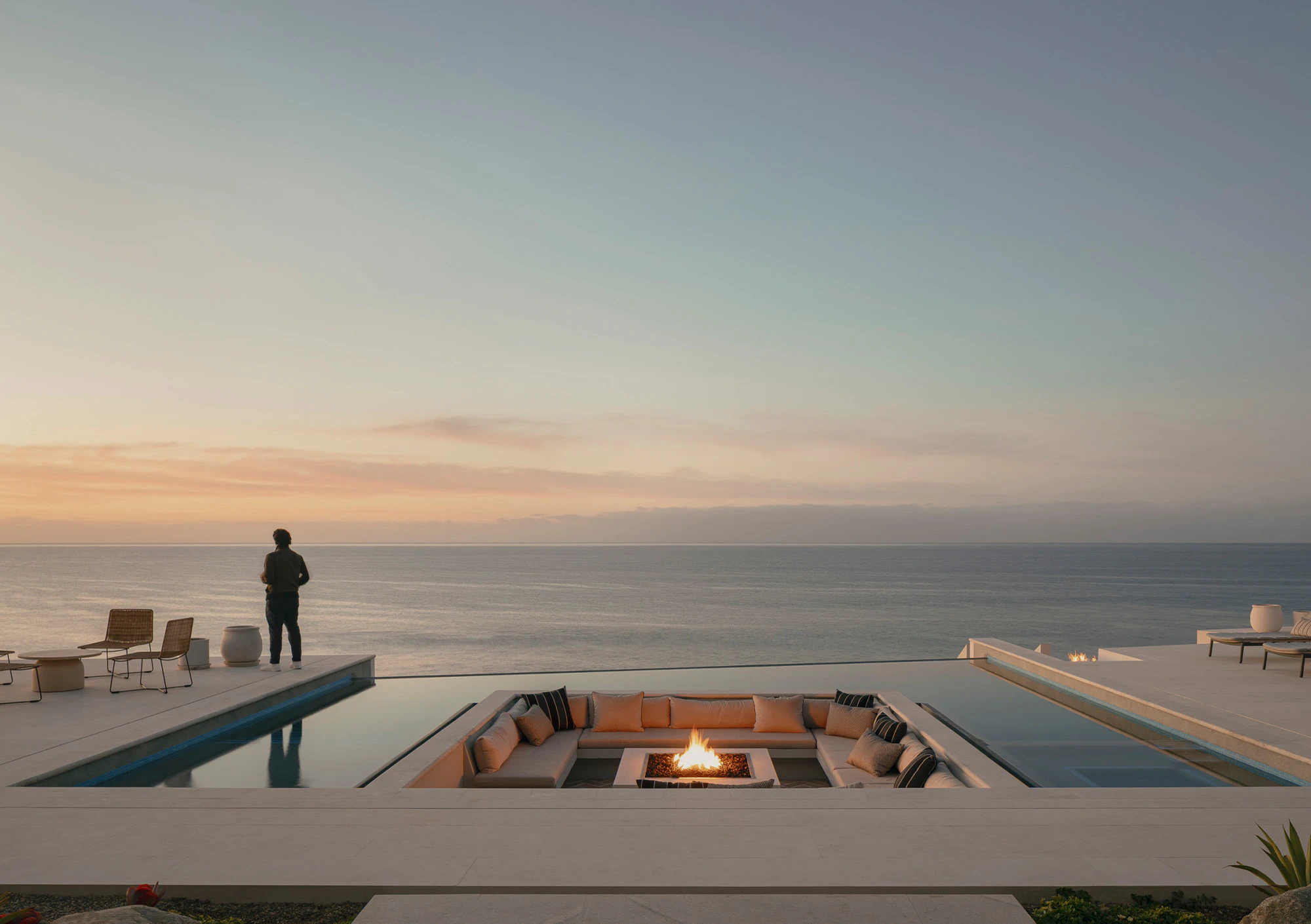
Beyond, a broad terrace serves as a dedicated gathering space. Its program is direct: a bar and barbecue to one side, a long dining table aligned with the view, a fire pit for cooler nights, and an infinity pool with a jacuzzi, drawing the eye toward the sea. A polished‑cement stair descends from the terrace as a calibrated continuation of the beach topography. Together, the courtyard, salon, terrace, pool, and shoreline create a graduated sequence of social settings suited to coastal rituals—cooking, eating, swimming, and watching the Pacific fade into dusk. The plan accommodates a large circle of family and friends, allowing up to a dozen people to remain visually connected across these shared spaces.
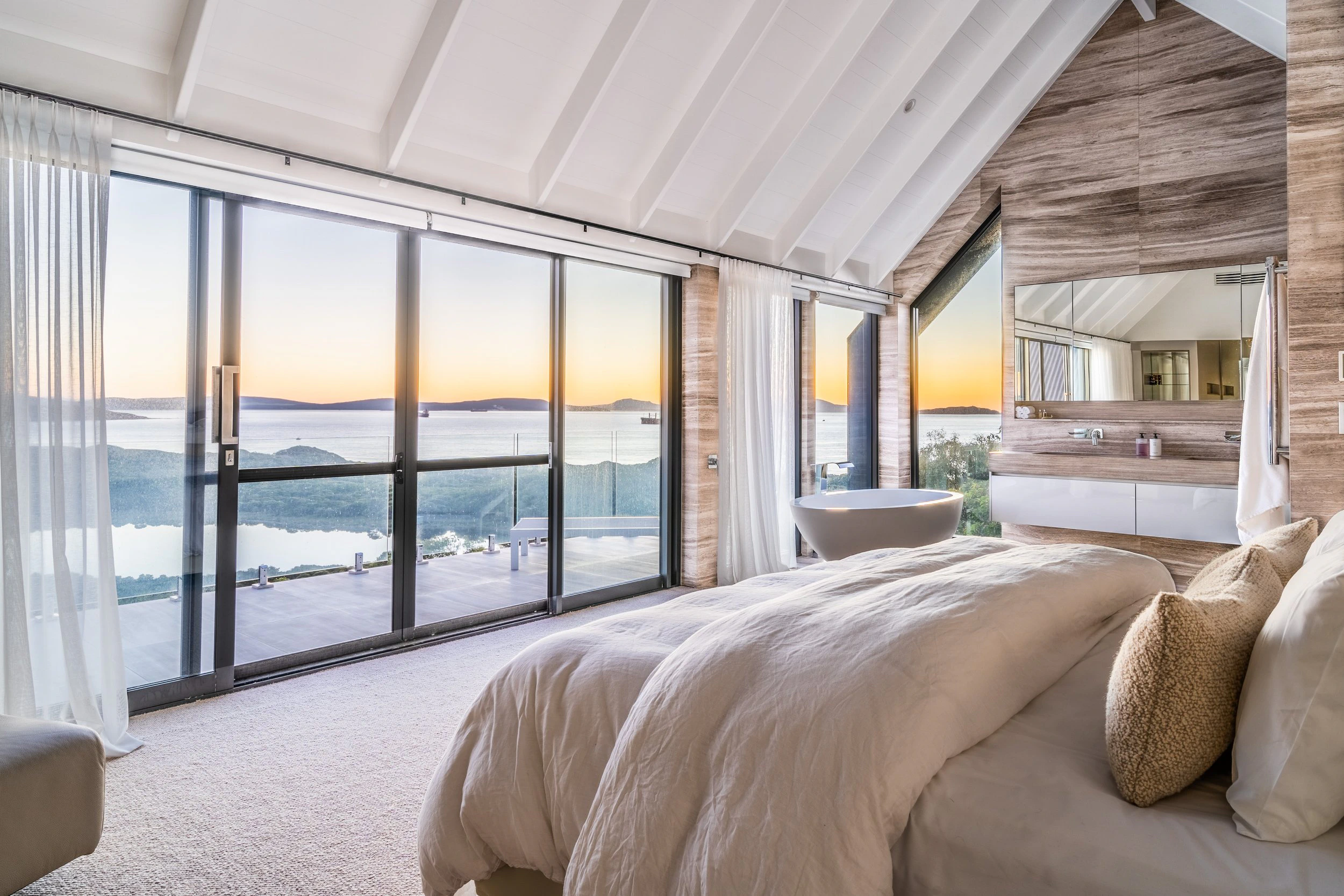
Private rooms maintain this balance of retreat and connection. Bedrooms face the sea yet remain linked by open‑air paths weaving through courtyards and shaded galleries. A separate guest casita repeats the courtyard typology at a smaller scale, offering autonomy without breaking the project’s spatial language. Inside, timber, clay, and stone surfaces provide tactile warmth while avoiding decorative excess.
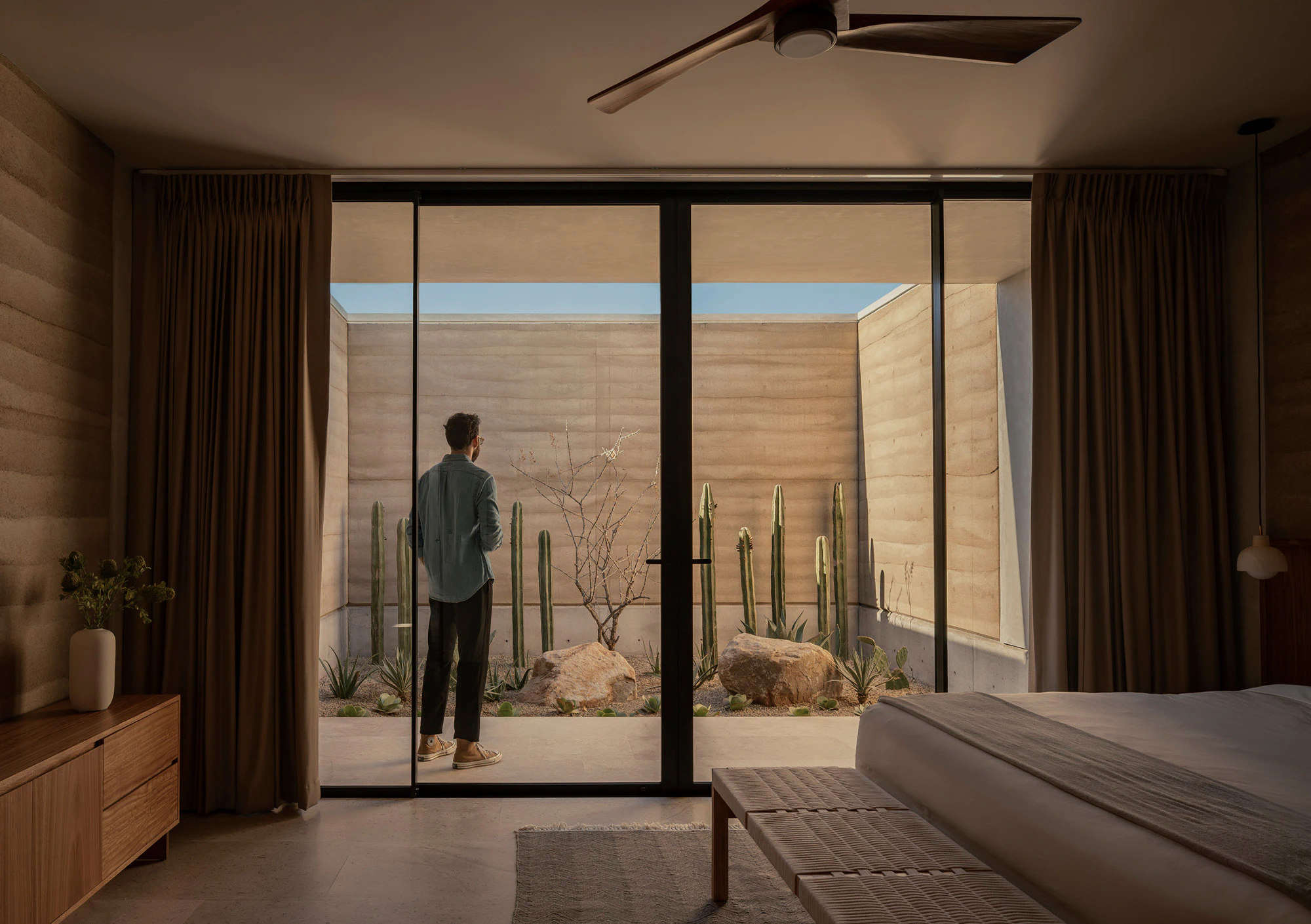

Material clarity and environmental pragmatism underpin the home’s off‑grid operation. Solar arrays harness the same sun that necessitates deep shade. Water delivered by tanker circulates through a three‑tank system for storage, treatment and irrigation, sustaining native plantings that stitch the courtyards back into the desert ecosystem. Exposed concrete bears the imprint of its formwork, echoing the horizontal striations of the rammed earth, while oak joinery and custom furnishings maintain a restrained natural palette.
Casa del Este distils enduring Mexican ideas—the courtyard, the portal, the thick earthen wall—into a contemporary coastal dwelling. Rammed earth becomes both medium and message, moderating the climate, visually extending the desert, and shaping a generous network of social spaces oriented toward land, sky, and sea.