Serendipity Arts Festival 2026
Details
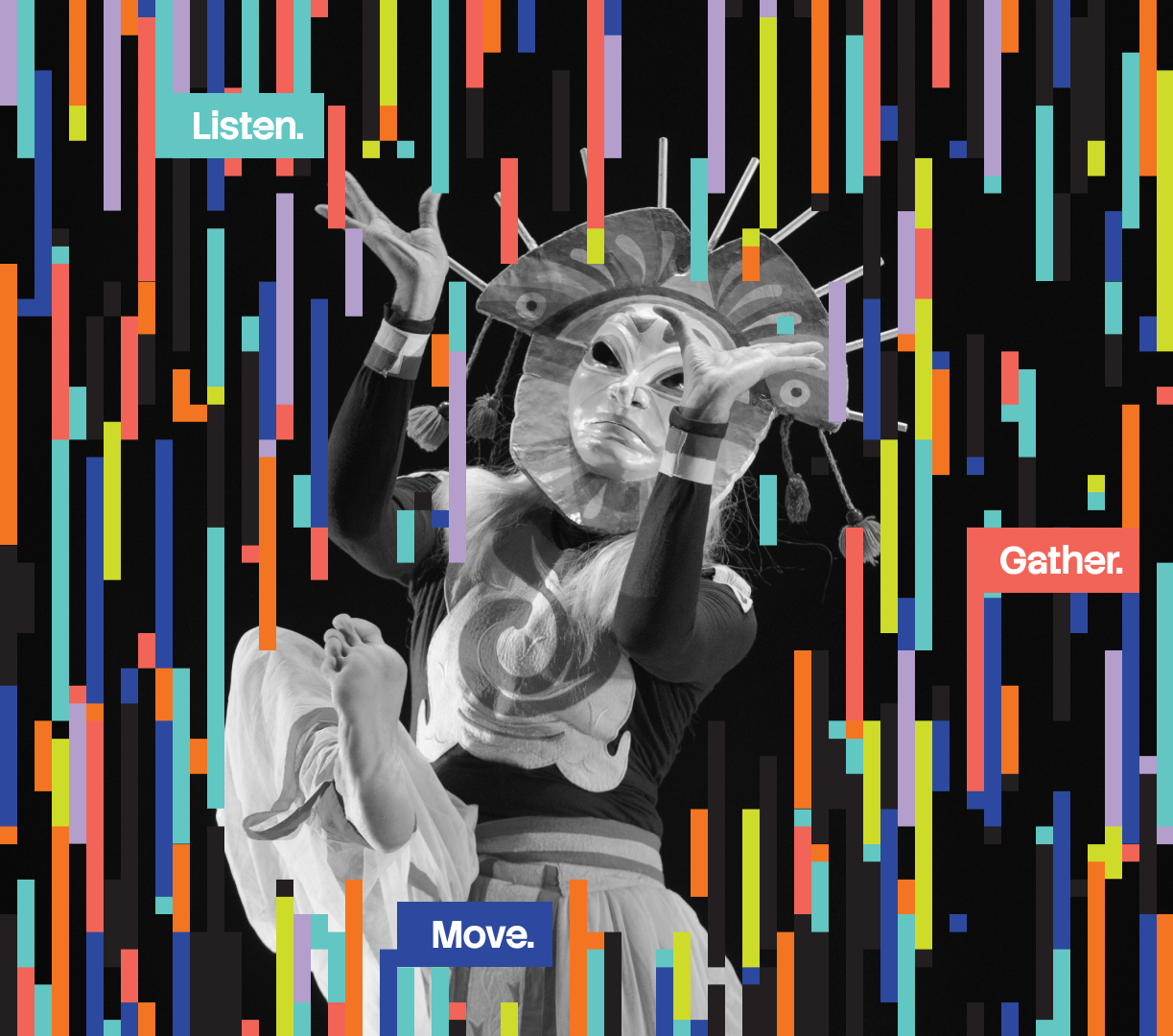
Contemporary architecture now operates within an expanded cultural field, where space is shaped not only by structure and form, but also by performance, craft, food, image, movement, and access. In this context, the eleventh edition of Serendipity Arts Festival reads as more than an arts programme; it is a curatorial framework for understanding disciplines as porous and interdependent. For architects, its significance lies in the way it reflects questions central to current practice: how public culture is staged, how bodies experience space, how material knowledge is transmitted, and how interdisciplinary encounters produce new spatial narratives.
The Festival’s curator-led model strengthens this reading. Rather than treating creative fields as separate showcases, it emphasises voices whose practices are grounded in research, experimentation, and collaboration. This clearly relates to architectural discourse, where curation and design often share a common logic: selecting, sequencing, and framing conditions so meaning emerges through relationships. Through exhibitions, performances, workshops and interactive formats, the programme proposes culture as something encountered through layered perception rather than passive viewing.
The Visual Arts programme, led by Latika Gupta and Sheba Chhachhi, brings together art historical inquiry and politically engaged, lens-based practice. For architecture, this pairing opens a dialogue around representation, memory and the construction of public meaning. Craft, curated by Kshitij Jalori and Sudheer Rajbhar, connects design innovation with grassroots material practices, foregrounding making, labour and inherited knowledge as urgent concerns within contemporary design thinking. The Culinary Arts vertical, led by Goya's Anisha Rachel Oommen, extends this enquiry by positioning food as a cultural framework, where taste, ritual, and gathering become spatial acts.
Music, shaped by Aruna Sairam and Ankur Tewari, brings together classical depth and contemporary soundscapes, while Dance, curated by Ashley Lobo and Surjit Nongmeikapam, treats the body as both a disciplined instrument and a disruptive force. These strands resonate especially with architecture, which depends on atmosphere, rhythm, movement, and orientation. Theatre, led by Mahesh Dattani and Anuradha Kapur, extends the inquiry through performance, critique and engagement with social and cultural landscapes.
Equally important is the Festival’s positioning of accessibility, led by Salil Chaturvedi, not as a supplementary concern but as a foundational principle. Special Projects, curated by Sreyansi Singh and Padmini Chettur, operate as a connective layer across forms of encounter. Together, these strands establish Serendipity Arts Festival as a research-led platform where disciplines inform one another, offering architects a model for more inclusive, interconnected, and critically engaged spatial practice.