CCreate: Kengo Kuma/KKAA — Earth | Tree
Details
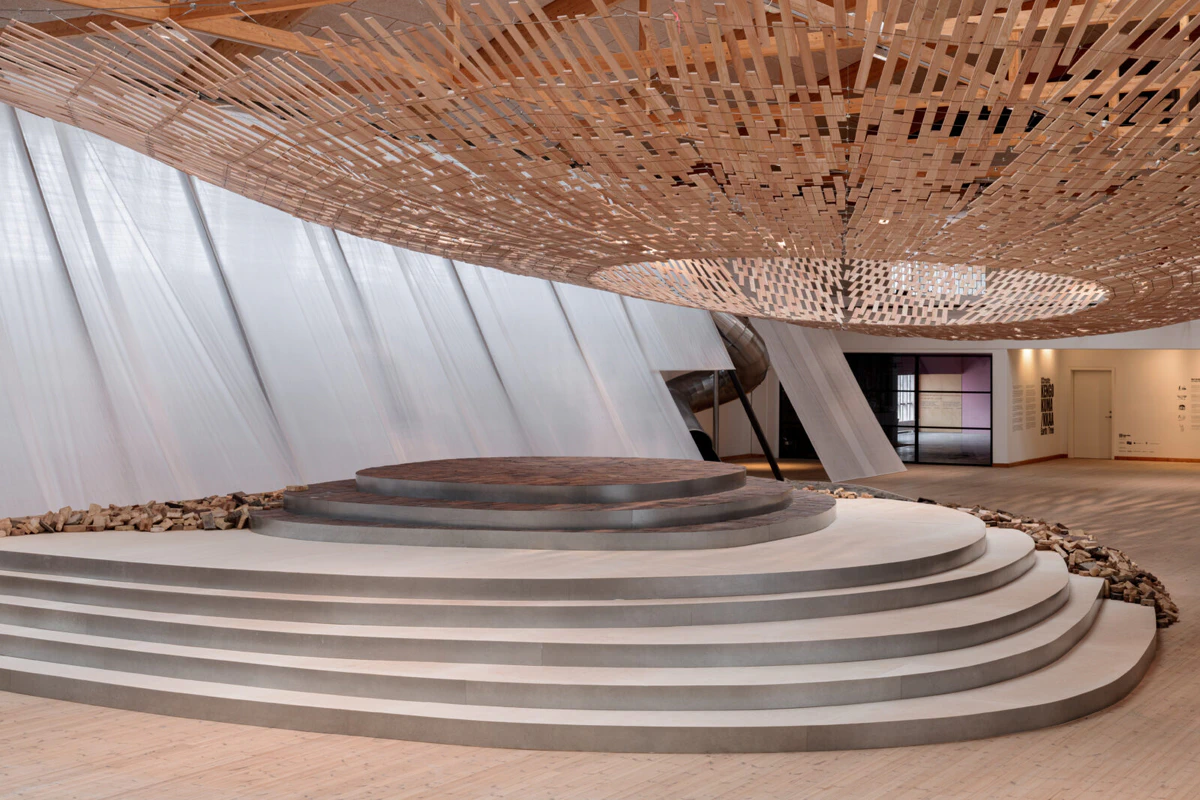
CCreate: Kengo Kuma/KKAA presents Earth | Tree as an architectural installation exploring shelter, sensory perception and the relationship between nature, materials and the body. The exhibition is framed through Komorebi (木漏れ日), the Japanese concept for sunlight filtering through the leaves of a tree canopy. Shelter is approached not only as an architectural function but as a bodily and emotional memory: the feeling of standing beneath a large tree, protected from the outside world and from everyday mental noise.
The exhibition reflects
Earth | Tree uses wood and brick for their sensory, cultural and historical qualities. Wood brings the scent and atmosphere of the forest into the exhibition space, while brick connects the work to long-standing building traditions. The installation also draws together Japanese and Nordic relationships to nature through material, light, air and shadow. As Yuki Ikeguchi states: “Play of light, air and shadow is some of the most important materials to play with.”
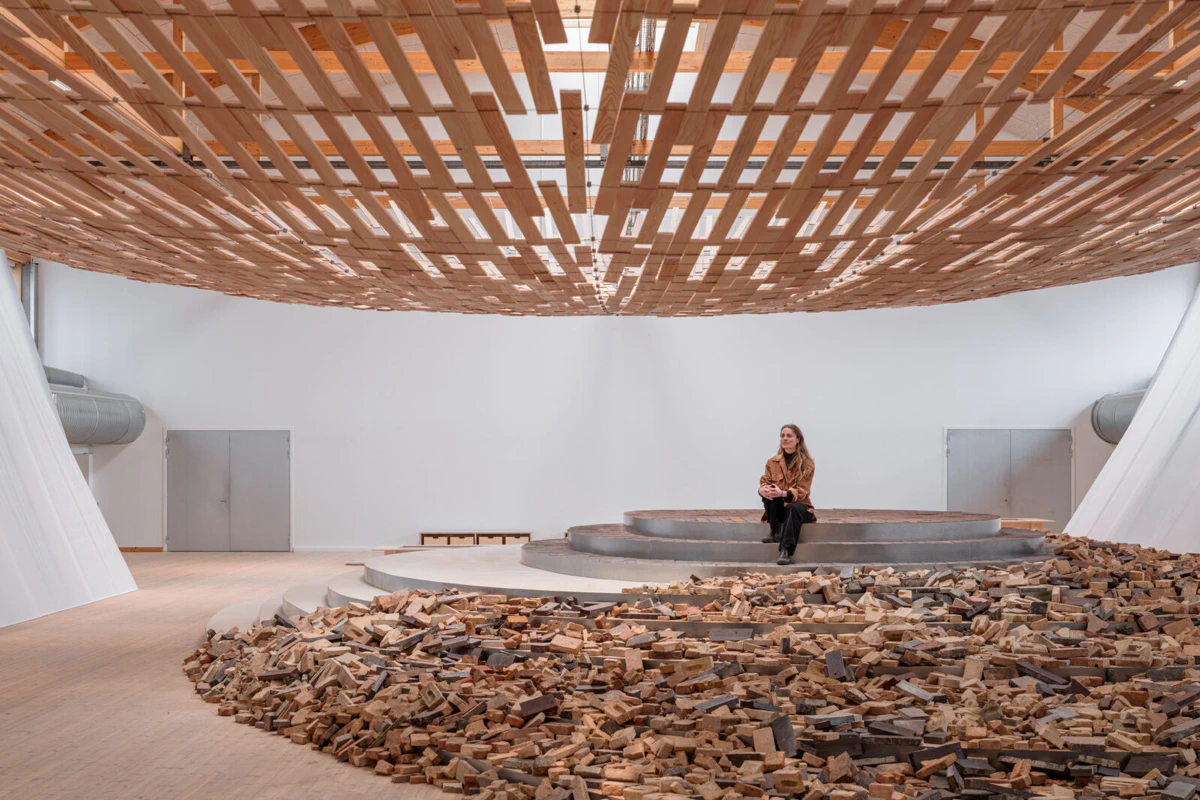
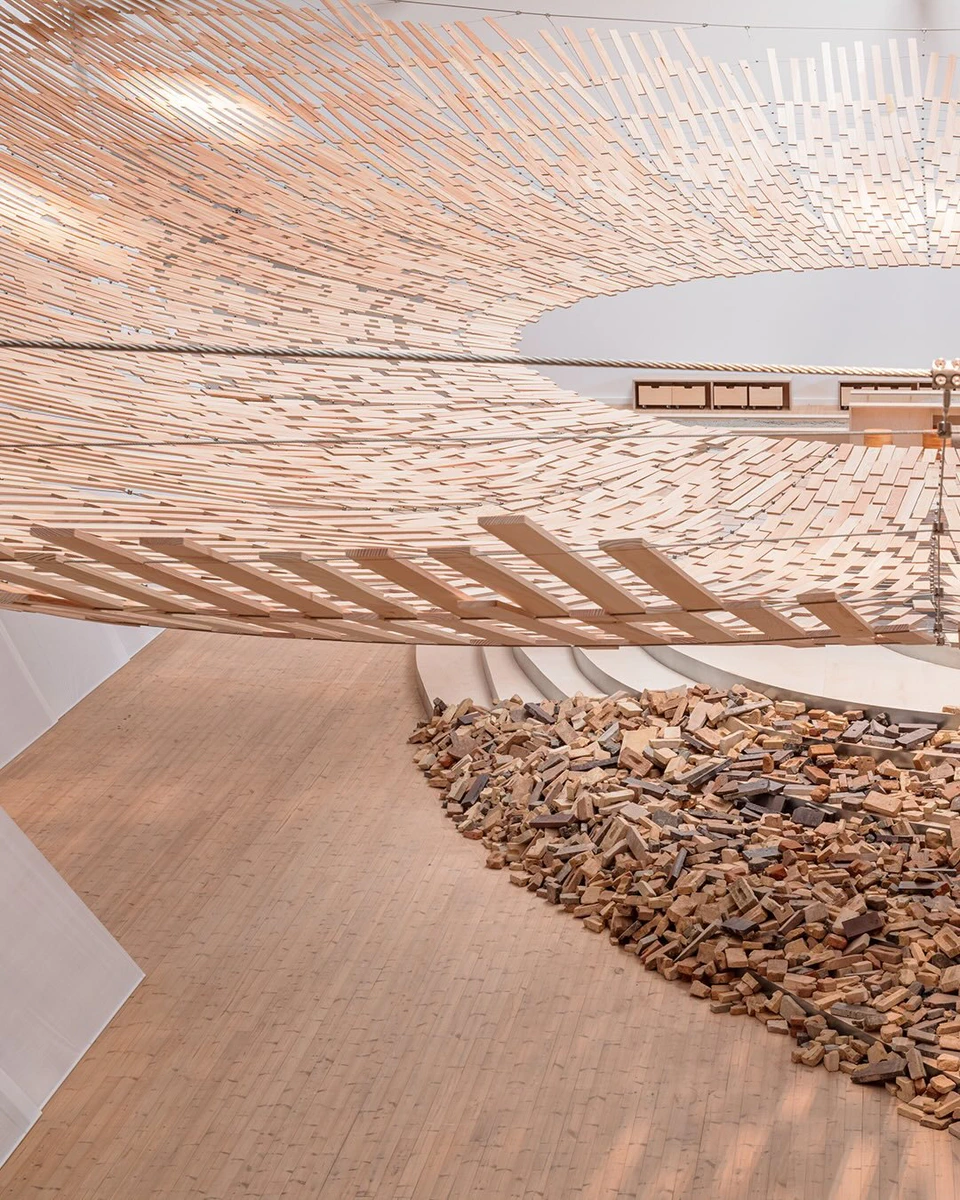
Earth | Tree is designed as a full-body experience rather than a work encountered primarily through sight. Visitors experience the scent of wood and earth, the texture of brick, and shifting light across the floor. Its workshop zone extends the exhibition’s philosophy by treating making as central to creative understanding. Through sand landscapes, Tsumiki wooden blocks designed by Kengo Kuma, Danish-produced wooden blocks and miniature bricks, the exhibition presents creativity as a capacity shared by all people, regardless of background or professional training.
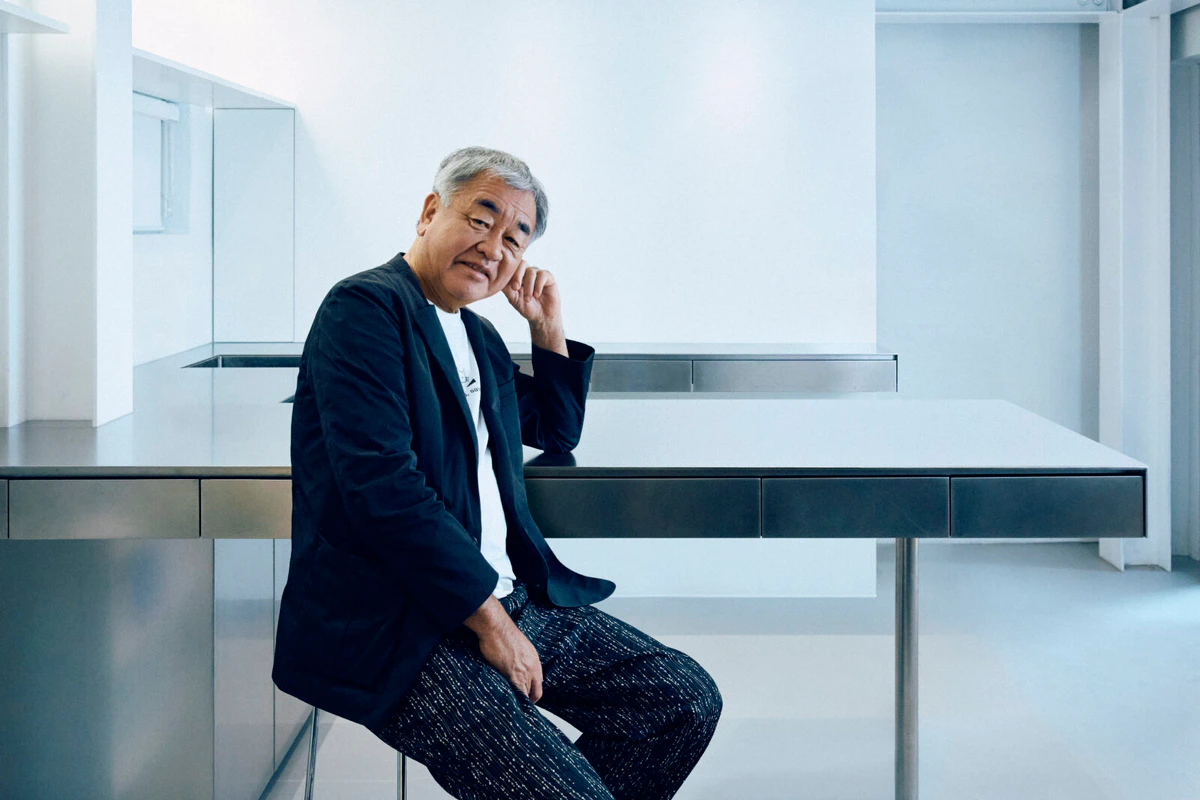
Play of light, air and shadow is some of the most important materials to play with.Yuki IkeguchiPartner in charge of design
Earth | Tree is designed by
About Kengo Kuma & Associates
Kengo Kuma & Associates, also known as KKAA, is a Japanese architectural practice founded by Kengo Kuma in 1990. The practice works internationally across architecture, interiors, cultural projects, product design and related fields. Its work is characterised by attention to context, materiality, craft, sensory experience and the relationship between nature, technology and human life. The firm has designed remarkable landmarks globally, including Tokyo's Japan National Stadium and the Odunpazarı Modern Art Museum in Eskişehir, Turkey. In Denmark, the studio is celebrated for the prize-winning H.C. Andersen House in Odense, as well as Copenhagen's forthcoming Water Culture House on Papirøen, scheduled to debut in late 2026.
About CC Create
CC Create is a three-year exhibition programme centred on creativity as an inherent human capacity that can be developed and shared. Each year, the programme invites a leading creative practitioner to create an installation that offers audiences insight into creative processes across aesthetic disciplines.